
For supplements, marigold is the standard and an excellent source of lutein. It is the main commercial source worldwide, and research shows it raises blood lutein effectively. For your plate, though, food sources such as egg yolks and leafy greens matter too, and eggs may actually absorb better. The most practical approach combines both.
Why Marigold Dominates Lutein Supplements
Marigold flowers (Tagetes erecta) are extremely rich in carotenoids, which is why supplement makers rely on them. A 2024 clinical paper notes that marigold is the main commercial lutein source for dietary supplements, and that the lutein in the flower is mostly present as lutein esters, according to the study in Nutrients on PubMed.
The result is a concentrated ingredient that can be dosed precisely. Leafy greens such as spinach and kale contain lutein too, but the amount per serving varies, which makes dosing from food less predictable.
Where Lutein Goes After You Swallow It
Your body cannot make lutein, so every milligram comes from food or supplements. Once absorbed, it travels in the blood and is deposited in the retina, where it forms the macular pigment, a point the Nutrients paper confirms on PubMed. We explain why that pigment matters in what is macular pigment.
The participants in that trial began with an average combined lutein and zeaxanthin intake of just 1.9 mg per day, so a modest supplement dose produced a clear jump in blood levels. If you are curious about amounts, our guide to how much lutein you need goes deeper.
Free Lutein vs. Lutein Esters: Does the Form Matter?
Marigold lutein often comes as an ester, meaning it is attached to a fatty acid. Some supplements use “free” lutein instead, and for years people have debated which absorbs better.
The 2024 trial put it to the test. Twenty-four healthy adults took 6 mg of lutein daily from marigold extract, in either free or ester form. Blood lutein rose about 2.4-fold by day 15 and stayed there, with no difference between the two forms, as reported on PubMed. In practical terms, either form can do the job.
How Marigold Compares With Food Sources
This is where “best” gets interesting. In a small crossover study of 10 men, each consumed 6 mg of lutein daily from spinach, eggs, or one of two supplements. When they ate eggs, their blood lutein ran about three times higher than with the other sources, according to a USDA Agricultural Research Service summary.
Researchers suspect that components of egg yolk, such as lecithin, help with absorption. A twist worth knowing: the lutein-enriched eggs in that study came from hens fed marigold petals. The study was also small, and the USDA summary cautions that more than one egg per day would add more dietary cholesterol than is recommended.
The same USDA summary points out that the average American eats only about 2 mg of lutein per day. Our guide to foods highest in lutein and zeaxanthin explains why diet alone often falls short.
Marigold Also Supplies Zeaxanthin
Lutein rarely travels alone. Marigold extract contains zeaxanthin as well, though in much smaller amounts than lutein. Both accumulate in the macula, and we cover the pairing in zeaxanthin vs. lutein.
What Matters More Than the Source
Since the source is largely settled, quality details matter more. Look for a stated amount of lutein per serving, a clear ingredient name, and ideally third-party testing. Our guide to reading an eye supplement label walks through the details.
Consistency matters too. Lutein builds up gradually, so taking it daily with a meal that contains fat is a sensible habit. If you smoke, have a medical condition, or take medication, ask your doctor before starting any supplement.
Where Performance Lab Vision Fits In
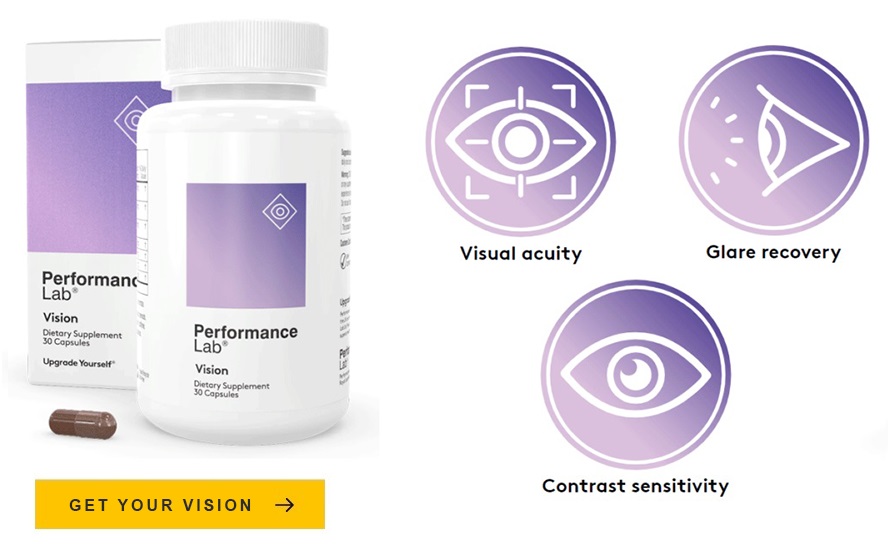
Performance Lab Vision provides 10 mg of lutein and 2 mg of zeaxanthin from marigold flower extract. That is the same lutein and zeaxanthin amount used in the large AREDS2 trial described by EyeWiki from the American Academy of Ophthalmology, though that trial studied people with intermediate AMD and used a different overall formula.