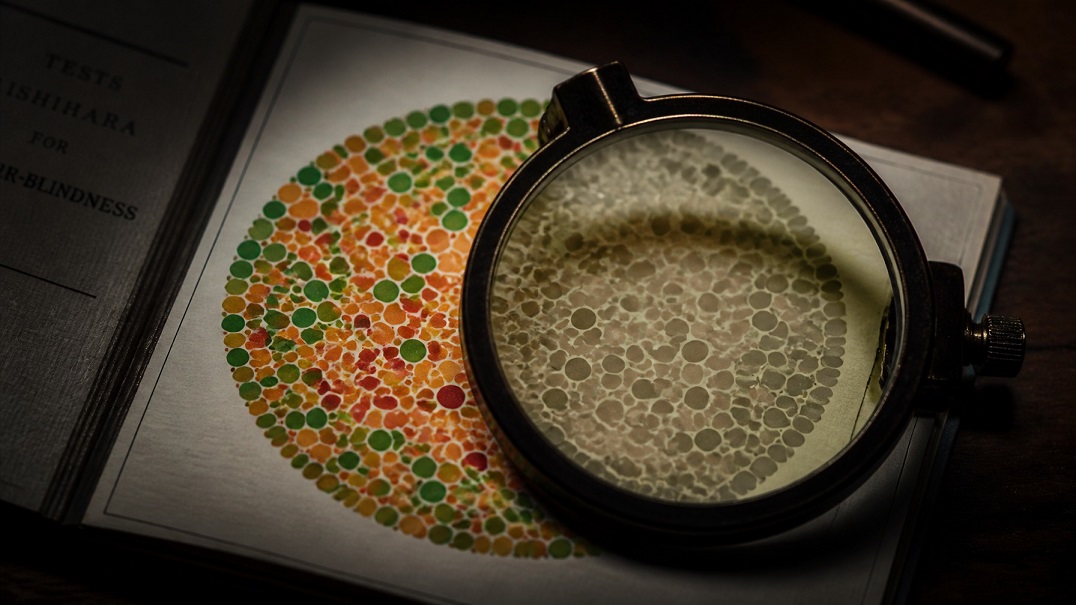
Can You Develop Color Blindness as an Adult?
Yes, though it is less common than being born with it. Most color blindness is inherited, but eye diseases, injuries, certain medicines, and aging can […]
Yes, though it is less common than being born with it. Most color blindness is inherited, but eye diseases, injuries, certain medicines, and aging can […]
Tetrachromacy is color vision built on four types of cone cells instead of the usual three. A small number of women may truly have it, […]
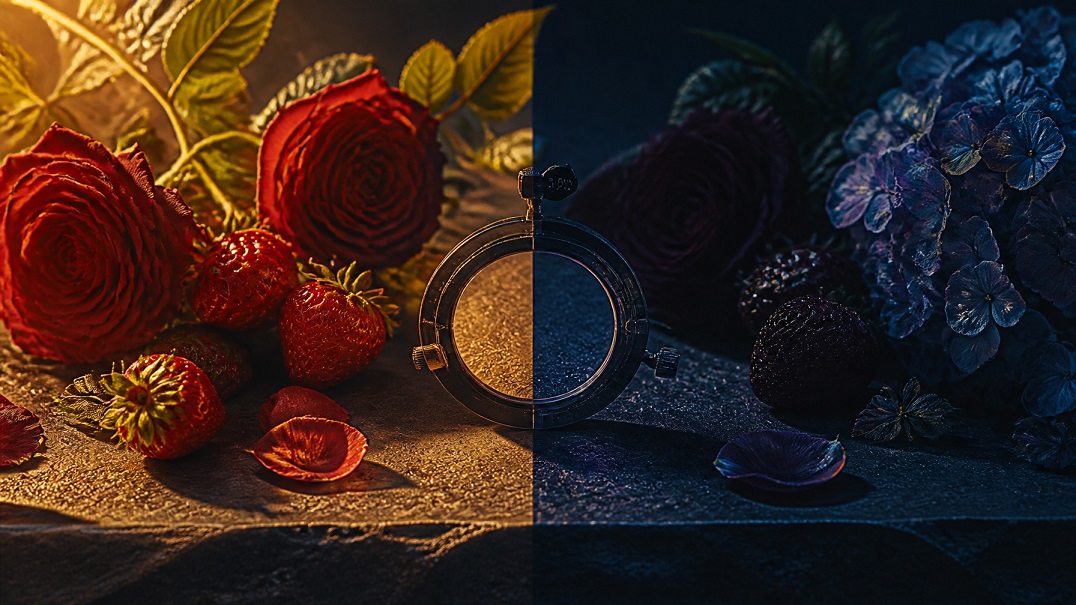
Colors look different at night because your eyes shift from cone cells, which detect color in bright light, to rod cells, which handle dim light […]

Optical illusions work because your brain does not simply record what your eyes see. It interprets incomplete or ambiguous input using shortcuts and past experience, […]
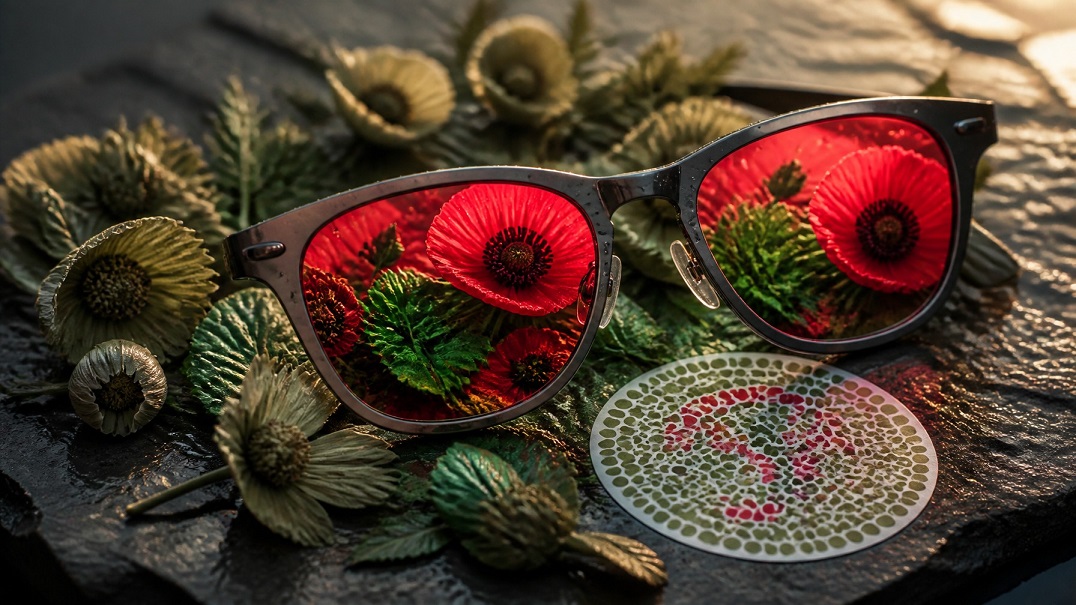
Sometimes, in limited ways. Special notch-filter glasses, such as EnChroma, may make colors look more vivid or help separate certain colors for some people with […]

Yes. Color vision matures in infancy, shifts subtly with age, and can change with eye disease, injury, or certain medicines. In healthy aging, the lens […]
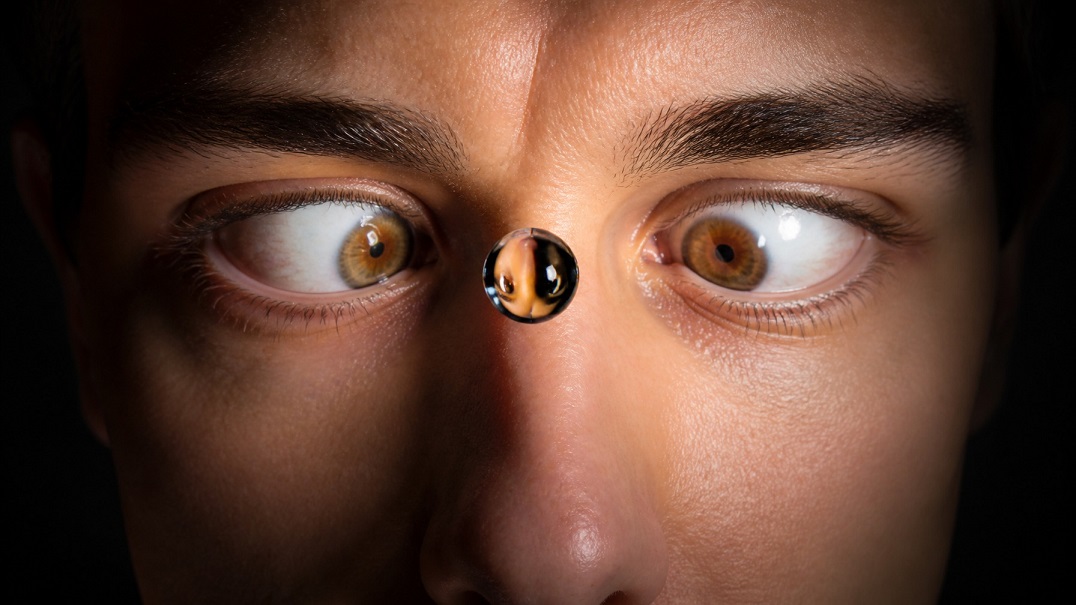
No. Crossing your eyes on purpose will not make them stay that way. Your eye muscles are built to move in every direction and return, […]

No. Wearing glasses does not make your eyes weaker or more dependent. Glasses simply let you see clearly, so going without them afterward feels worse […]

Imagine looking at any scene, a wall, a clear sky, a friend’s face, and seeing it overlaid with a constant field of tiny, flickering dots, […]
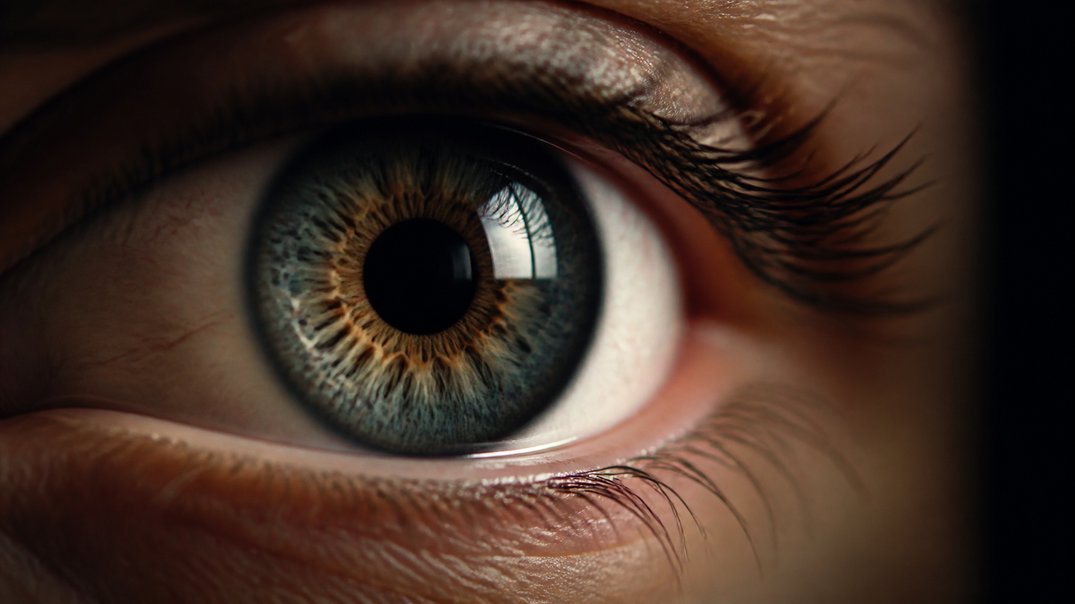
You blink somewhere around fifteen to twenty times a minute, and each blink briefly cuts off essentially all light reaching your retina for a fraction […]