
Do We All See Colors the Same Way?
Not exactly. People with healthy color vision share the same basic design, but they differ in cone ratios, lens and macular pigment, genes, and even […]
Not exactly. People with healthy color vision share the same basic design, but they differ in cone ratios, lens and macular pigment, genes, and even […]
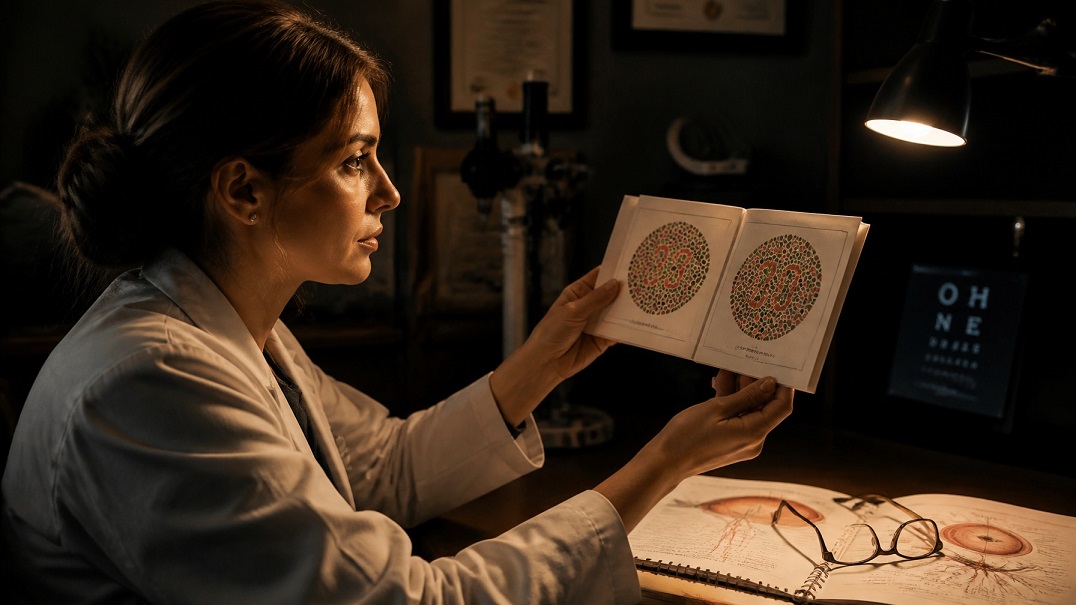
It is uncommon. Among people of Northern European ancestry, about 1 in 200 women have red-green color vision deficiency, compared with about 1 in 12 […]

Possibly, but the science is early. Researchers have found links between the gut microbiome and eye conditions such as macular degeneration, diabetic retinopathy, glaucoma, and […]
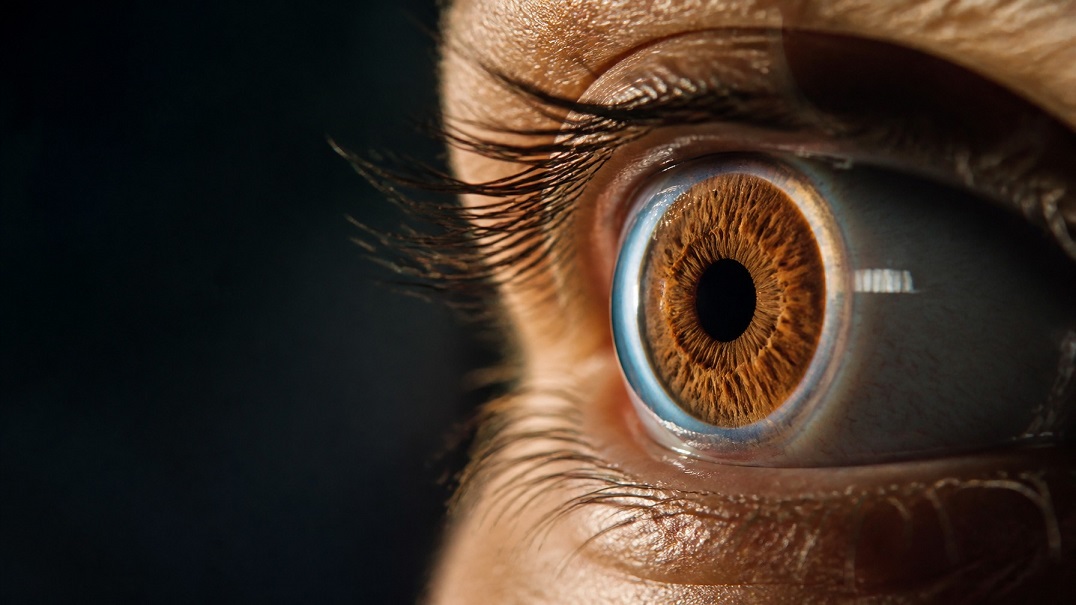
Yes, in several ways. High cholesterol can leave visible signs on your eyelids and cornea, and it is associated with a higher risk of retinal […]

Large studies show that people with untreated vision loss are more likely to develop dementia, and the 2024 Lancet Commission on dementia added vision loss […]
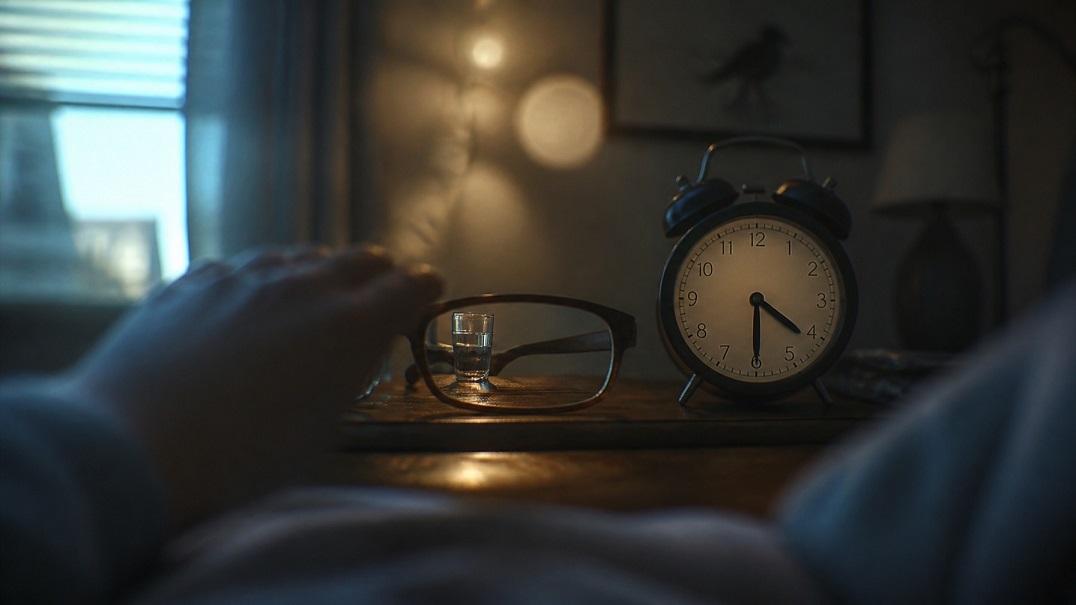
Yes, in a temporary way. A poor night of sleep can leave your eyes dry, tired, and prone to blur, especially during close work or […]
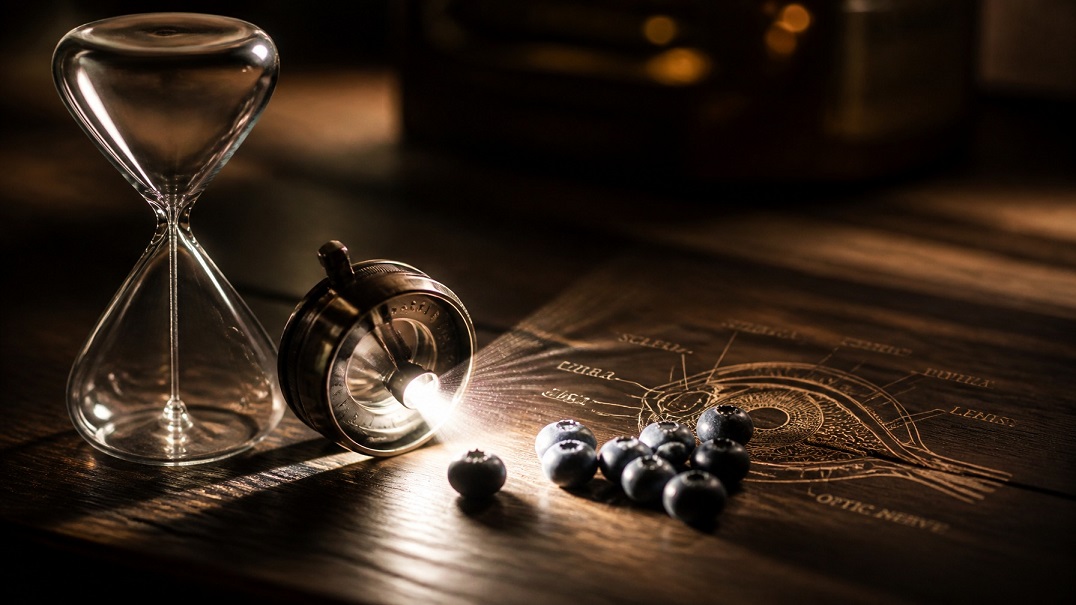
Possibly, but the evidence is thin. Fasting changes hydration, blood pressure, and blood sugar, and those can nudge eye pressure and blood flow. Most human […]
Yes, mainly through blood sugar. In diabetes, persistently high blood sugar damages the retina’s blood vessels and can cloud the lens. Even without diabetes, one […]
Yes, it can, though usually in a mild and temporary way. Dehydration may leave the surface of your eyes dry and irritated, and an uneven […]
Most often, flashes of light happen when the gel inside your eye tugs on the retina, which your brain interprets as a spark. That is […]