Rod Cells vs. Cone Cells: The Science of Low-Light Sight
Every visual experience a person has, from reading fine print in bright sunlight to navigating a dark bedroom by memory, ultimately traces back to two […]
Every visual experience a person has, from reading fine print in bright sunlight to navigating a dark bedroom by memory, ultimately traces back to two […]
Take any group of friends on a dim hiking trail after sunset and the differences show up fast. One person navigates the uneven path with […]
Walk into the cockpit of a military aircraft preparing for a night mission and the first thing you notice is the color. Everything is red […]
Ask most people how long it takes for their eyes to adjust to the dark and they will say something like five minutes, maybe ten. […]
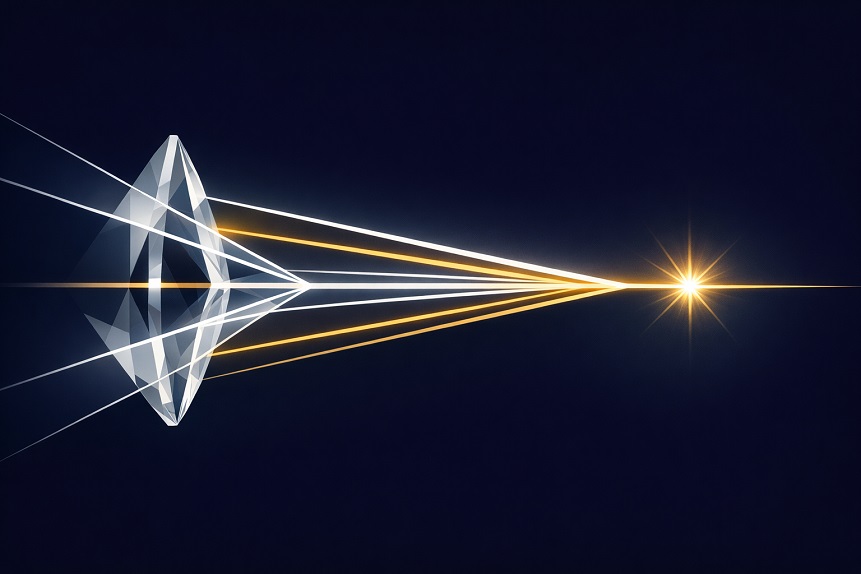
Caffeine’s effects on human physiology have been studied more thoroughly than perhaps any other widely consumed psychoactive compound. Its adenosine-blocking mechanism, its effects on alertness […]
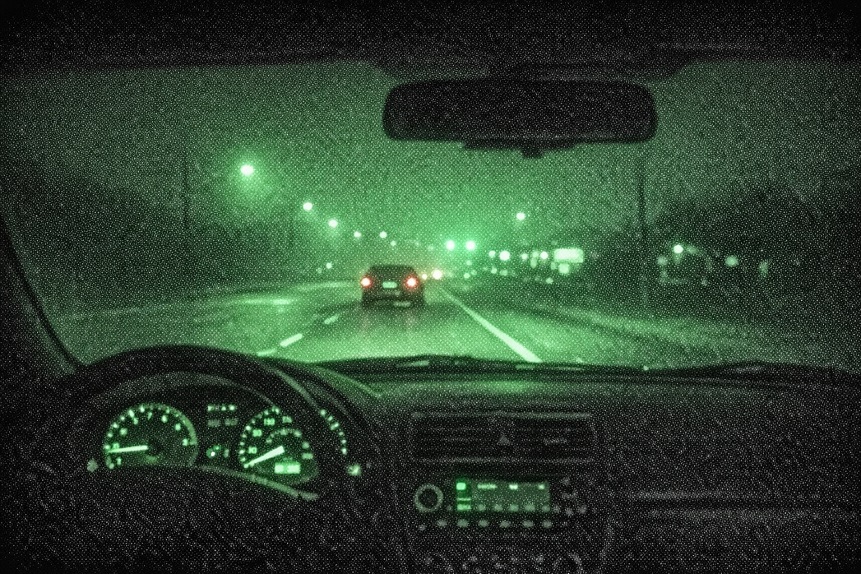
Most people who experience glare and halos at night describe the same progression. It starts as a mild annoyance, oncoming headlights that seem brighter than […]

Aviation has a particular relationship with night vision that most other fields do not share. When a pilot’s low-light visual performance falls below what the […]
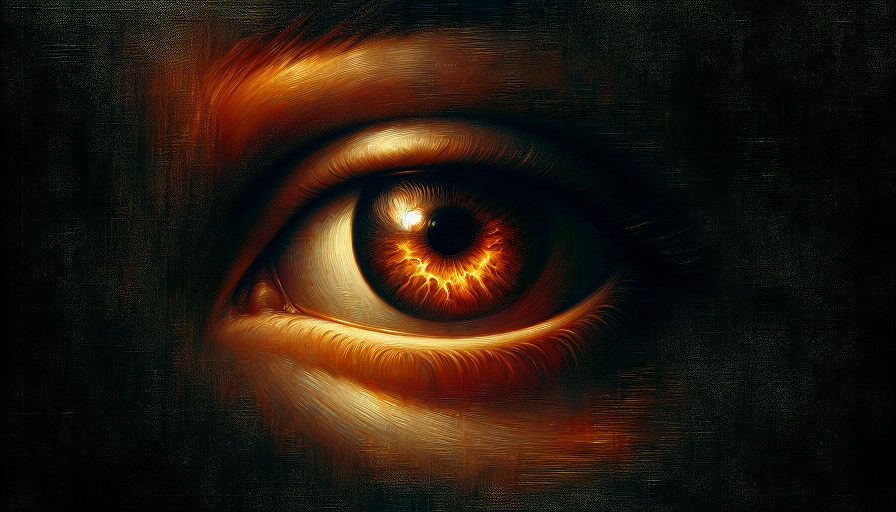
There is a single protein molecule responsible for the fact that you can see anything at all in a dark room, navigate a pathway by […]
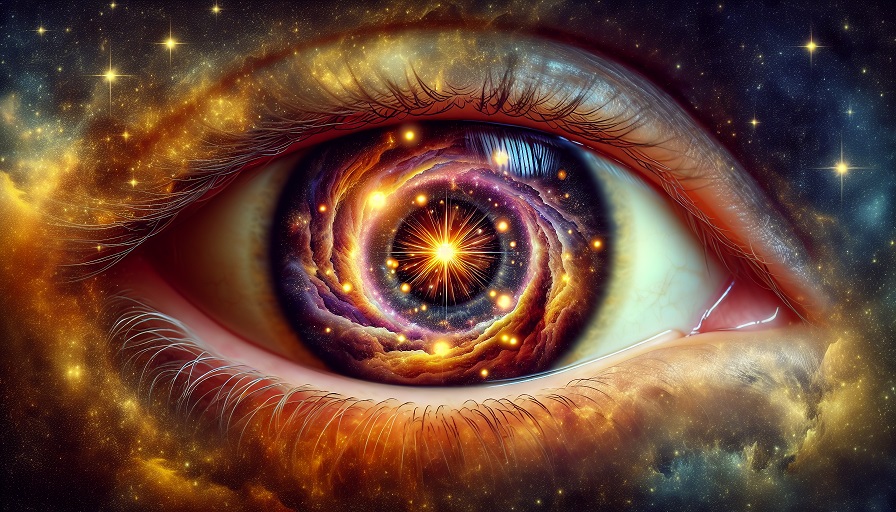
Most people notice it somewhere in their 40s. Night driving starts to feel less comfortable than it used to. Oncoming headlights produce more glare and […]

When you sit for a standard eye exam, the measurement of your visual acuity tells you how small a detail you can resolve under ideal […]