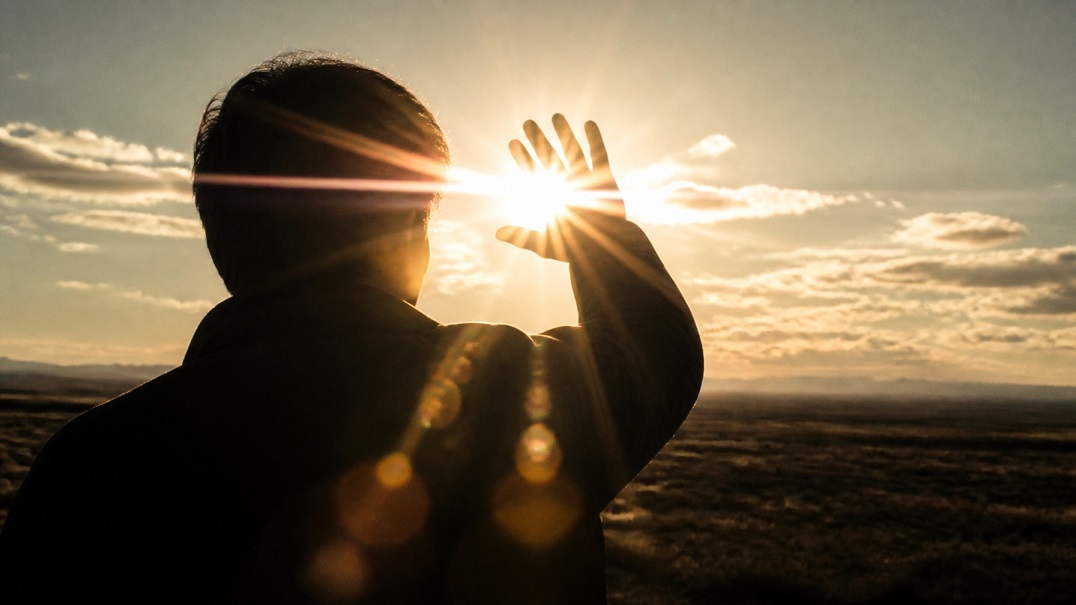
Yes, you can lose vision, though total blindness is not the usual result. Looking directly at the sun can burn the retina, and the American Academy of Ophthalmology warns the damage can be permanent. The typical outcome is a small blind spot or distortion in central vision. The damage is painless, so you may not realize it is happening.
What Solar Retinopathy Is
The medical term for sun damage to the retina is solar retinopathy. Looking at the sun without proper eye protection, such as certified eclipse glasses or solar viewers, can cause retinal damage from solar radiation, according to CNN.
The retina is the light-sensing layer at the back of your eye. Concentrated sunlight can injure the cells that capture detail, much as a magnifying glass can scorch a leaf.
Why You Will Not Feel It Happen
This is the part that makes the risk so sneaky. Michelle Andreoli, an ophthalmologist and spokesperson for the Academy, told CNN that the retina has no pain nerves, so damage is unlikely to cause discomfort. Instead, visual symptoms appear within about four to six hours, though some people notice them after 12.
That delay means someone can stare at the sun, feel fine, and only realize hours later that something is wrong.
Symptoms to Watch For
The Academy lists several signs of solar retinopathy: blurry vision, headache, a blind spot in the center of vision in one or both eyes, increased sensitivity to light, distorted vision, and changes in how colors look, as relayed by People magazine.
Eye discomfort alone does not necessarily mean damage. The Academy notes that irritated eyes after sun exposure may not signal solar retinopathy, but a blind spot or distortion is a red flag.
Can You Recover?
Some people do. The Academy says there is no treatment for solar retinopathy, but many people recover after about three to six months, while some are left with permanent vision loss in the form of a small blind spot and distortion, as reported by FOX 35 Orlando quoting the Academy.
CNN’s account is more cautious, describing solar retinopathy as a permanent condition that can improve or worsen. Because outcomes vary, an exam is worth having even when symptoms seem mild.
Why Sunglasses Do Not Make It Safe
Ordinary sunglasses block glare and UV rays, but they are not built to make direct sun viewing safe. The Academy states that ordinary sunglasses and homemade filters are not safe for looking at the sun. The only safe way to look directly at it is through special-purpose solar filters that meet the ISO 12312-2 standard, according to the American Academy of Ophthalmology.
That includes eclipse glasses, which should carry that label. Counterfeits exist, so buy from reputable sources.
What About Solar Eclipses?
Eclipses are a classic trigger, because they tempt people to look up. The Academy told FOX stations that the only time you can look at the sun without a solar viewer is during a total eclipse, when the moon completely covers the sun’s bright face and the sky goes dark.
During the partial phases, a filter is required. Looking for even a short time without one is not worth the risk.
Does Sun Gazing Have Any Benefit?
Some wellness trends promote sun gazing. The Academy lists the claim that it improves health as a myth and warns that staring at the sun, even briefly and without protection, can permanently damage the retina and even cause blindness.
Sun Exposure Beyond Staring
Everyday sunlight carries its own risks over decades, from UV exposure to squinting in glare. Our guides to UV light and your eyes and what actually matters in sunglasses explain how to protect your eyes day to day.
What to Do if You Stared at the Sun
If you notice blurry, distorted, or missing vision afterward, see an ophthalmologist promptly. The Academy says that although there is no treatment, it is still important to be evaluated when vision difficulties appear. A quick look at the center of vision can confirm whether anything is wrong.
If your vision feels perfectly normal, keep an eye on it for a day or two and book an exam if anything changes.