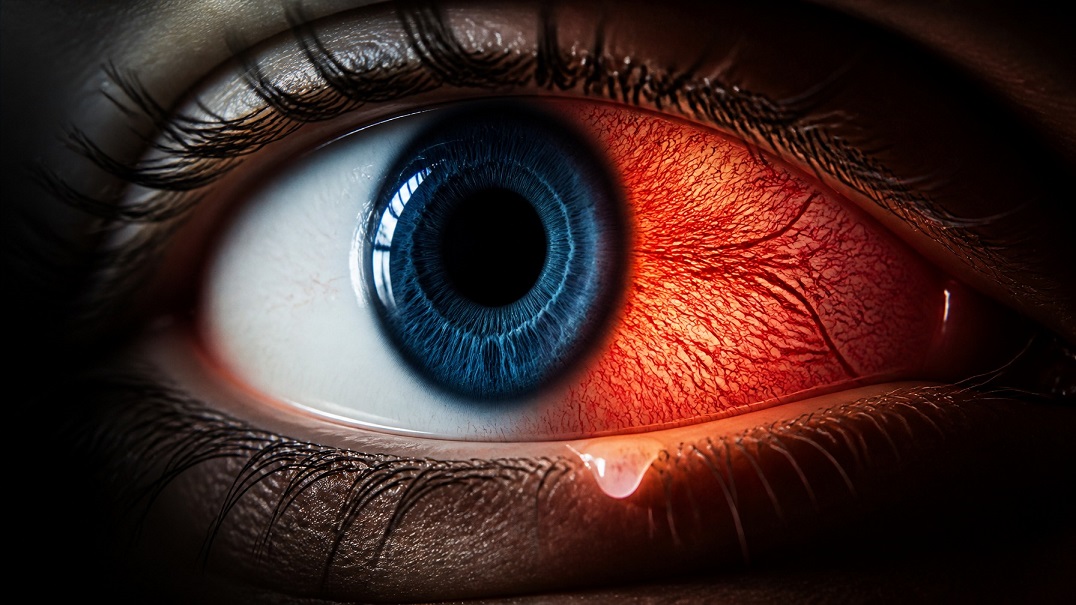
It depends on the drop. Redness-relief drops contain decongestants that can cause rebound redness, a cycle that feels like dependence. Lubricating drops are the usual alternative, and people with chronic dry eye may need them regularly because dry eye is an ongoing condition. Use redness drops only occasionally, and see an eye doctor if redness persists.
Not All Eye Drops Are the Same
Eye drops differ by purpose. Medical News Today notes there are lubricating drops for dryness, antihistamine drops for allergies, and decongestant drops that target redness. Prescription drops, such as those for glaucoma, are a separate category.
The dependence worry mostly applies to one group: the decongestant redness relievers. The AAO notes that an infection such as pink eye also makes eyes red, which is one reason masking redness is not always wise.
How Redness Relievers Work
According to the American Academy of Ophthalmology, most drops that clear redness contain a decongestant called tetrahydrozoline. They shrink the eye’s blood vessels, and the redness can return when the drops wear off, sometimes worse than before. This is called rebound redness.
The AAO warns that rebound redness can worsen over time and lead to persistent red eyes. For that reason, many eye doctors recommend preservative-free lubricating drops instead.
The Rebound Cycle
The cycle is simple: eyes look red, you use the drops, redness returns, and you use them again. A Review of Optometry article describes rebound hyperemia as potentially leading to a cycle of dependency and worsening redness.
The Mayo Clinic Health System likewise advises avoiding drops that claim to get the red out, saying they can leave eyes redder and more irritated than before. Redness also has many causes, including infection, so it helps to know which one you have. The Review of Optometry article adds that some imported eye-whitening drops contain the same kinds of decongestant ingredients.
Newer Drops, Same Caution
The AAO’s guide to lubricant drops lists tetrahydrozoline and naphazoline as ingredients to avoid. It says brimonidine-containing drops are sometimes safer and more effective, but that their long-term effects are not clear. The AAO’s redness-drop page adds that brimonidine has a lower risk of rebound redness, and that some red eye relief drops also contain lubricants.
A Review of Optometry piece adds that clinical experience suggests overuse, even of brimonidine, can still cause some rebound redness in certain patients.
Safe Rules for Redness Drops
If you do use them, the AAO advises using redness-relieving drops only occasionally and for a short time, such as before an important event. As with a nasal decongestant, it says not to use them for more than 72 hours.
It also says people with narrow-angle glaucoma should not use decongestant drops. If you have glaucoma or are unsure, ask your eye doctor first.
Artificial Tears and Chronic Dry Eye
The Mayo Clinic Health System describes dry eye as poor-quality tears, not enough tears, or both. That is a chronic condition, so people with it often keep using drops, because the problem continues, not because the drops hook the eye. See dry eyes as you age and eye strain vs. dry eyes.
One caution: Mayo says preservatives in drops used chronically, including over-the-counter artificial tears, can worsen dry eye symptoms. Medical News Today reports that the AAO advises looking for preservative-free options if you use lubricants frequently. The AAO’s lubricant guide also says that no single brand works best for everyone, so you may need to try several.
Prescription Drops: Do Not Stop on Your Own
Needing a drop every day is not always dependence. The National Eye Institute says glaucoma eye drops lower eye pressure and prevent optic nerve damage, and that if your doctor prescribes medicine you should take it every day. Treatment can stop damage but cannot undo it.
Never stop a prescribed drop because of a worry about dependence. Talk to your doctor instead. Our post on why eye pressure fluctuates through the day explains why consistent treatment matters.
When to See an Eye Doctor
Call your eye doctor right away if your eyes are very red, painful, watery, or sensitive to light, the AAO advises. Medical News Today lists redness that does not improve with home care after about a week, redness after contact with a chemical, and red eyes in a child under 2 as reasons to seek care.
Medical News Today also reports that the AAO recommends talking to a doctor if you need lubricating drops more than two or three times a day. Tell your doctor if a prescribed treatment causes side effects, as NEI advises, instead of quitting it.