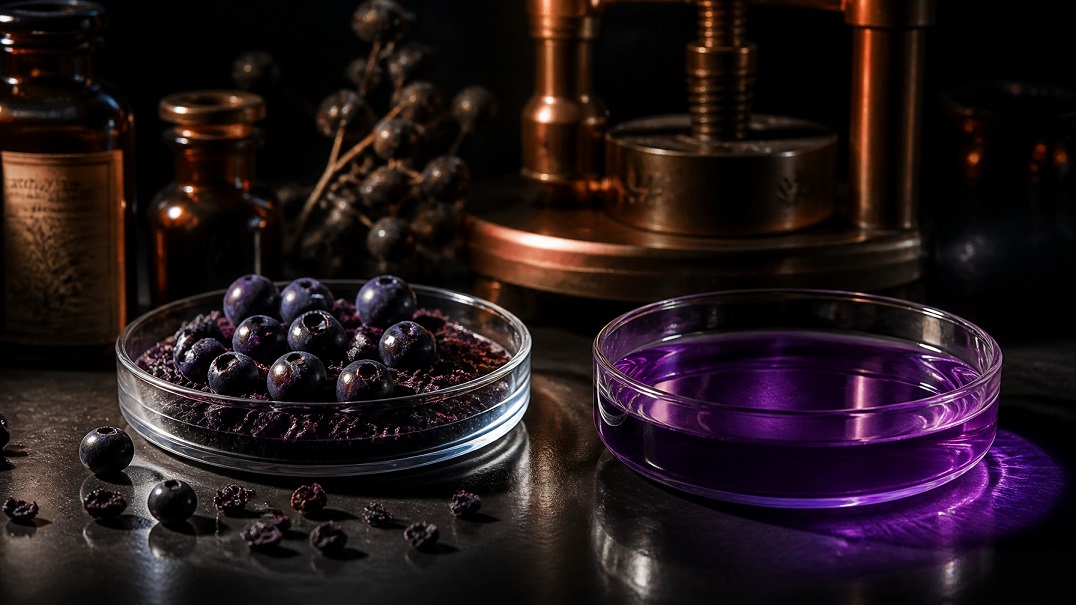
What Are Anthocyanosides, and How Do They Differ From Anthocyanins?
They are very closely related, and for most readers the difference is mainly one of vocabulary. Anthocyanins are the broad family of purple-blue plant pigments. […]
They are very closely related, and for most readers the difference is mainly one of vocabulary. Anthocyanins are the broad family of purple-blue plant pigments. […]
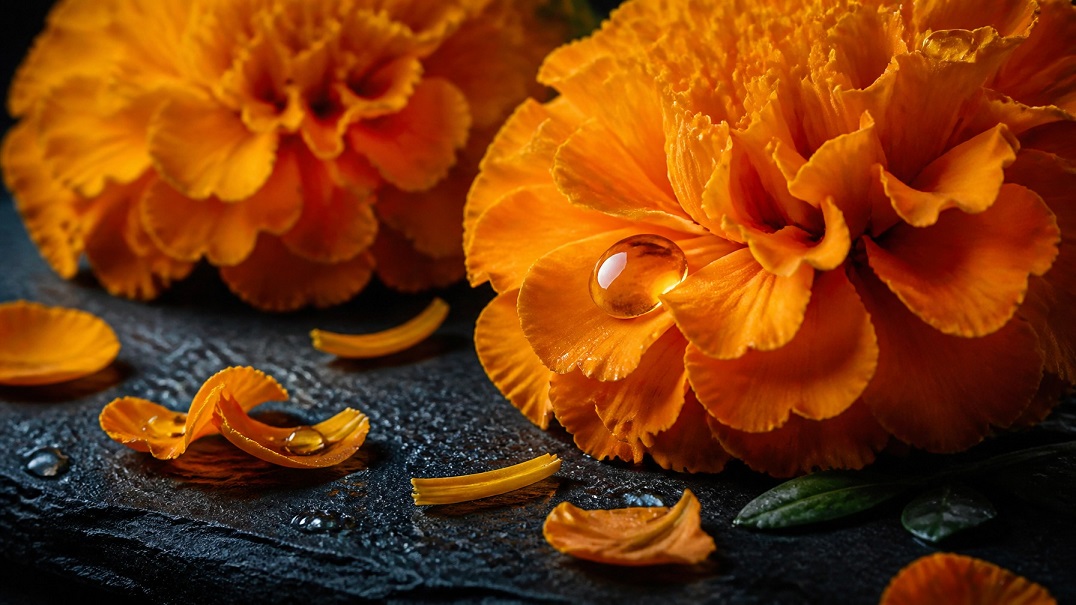
For supplements, marigold is the standard and an excellent source of lutein. It is the main commercial source worldwide, and research shows it raises blood […]
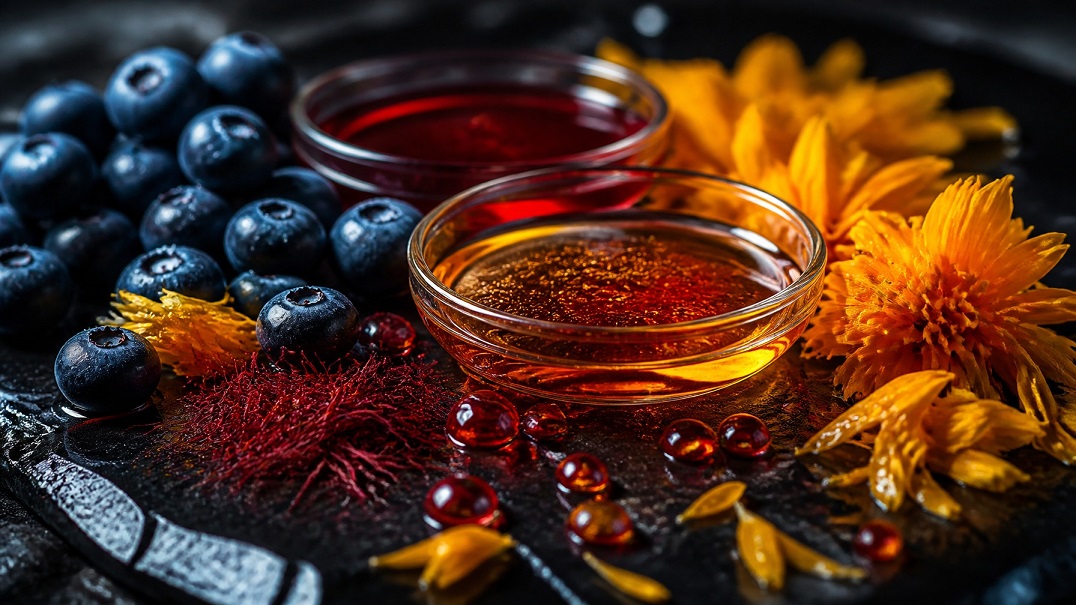
Often, yes, at least according to the best evidence available. In the landmark AREDS trial, a combination of antioxidants and zinc outperformed either component alone. […]
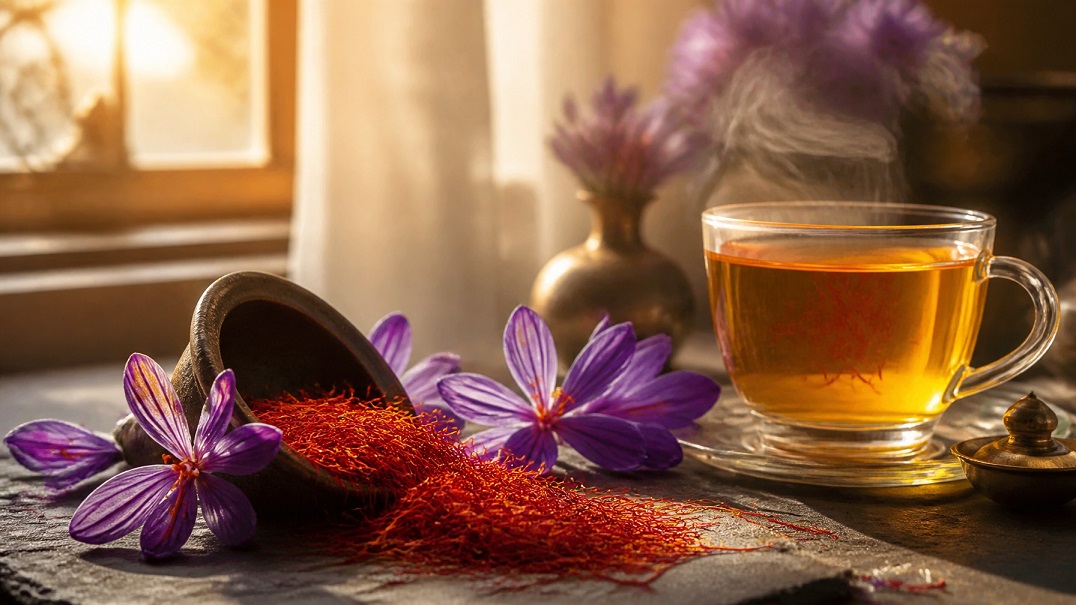
Possibly on both counts, with an important caveat. Clinical trials suggest saffron may ease symptoms of low mood and anxiety, and stress is linked to […]

Possibly, yes. A few small human trials suggest that astaxanthin, a red pigment from microalgae, may help the eyes hold their focus better after long […]
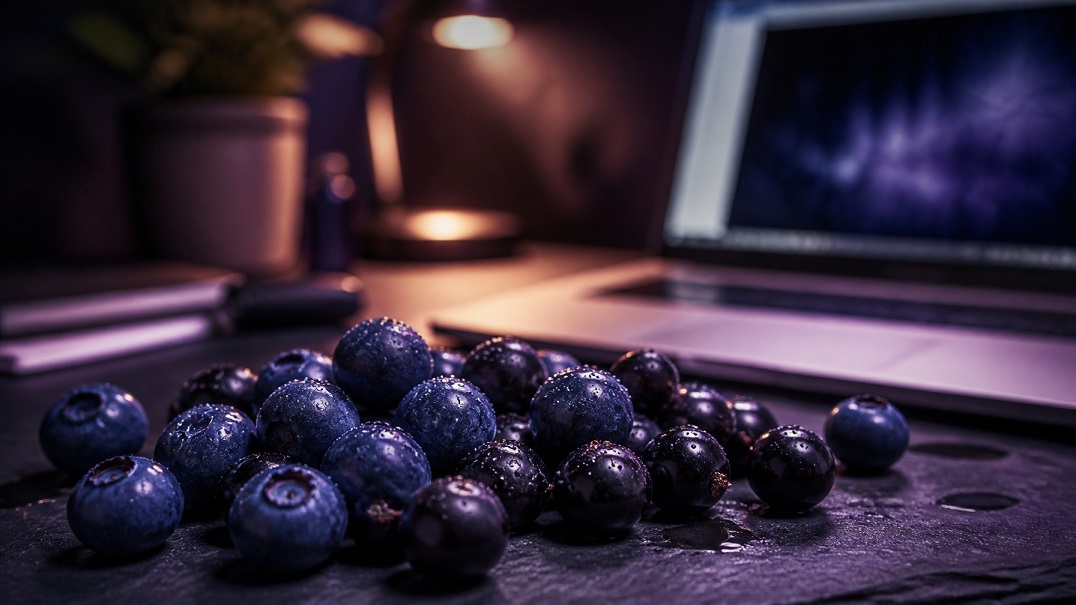
Possibly, yes. Several human trials suggest that anthocyanins, the deep purple pigments found in bilberries and blackcurrants, may reduce the focusing strain behind screen-related eye […]

Zinc appears on every eye supplement label. It is listed in the AREDS2 formulation. Nutritional guidance for macular degeneration reliably mentions it. And yet the […]

Saffron is not a compound that most people expect to encounter in a serious discussion of macular degeneration research. It is the world’s most expensive […]

Here is a fact that surprises almost everyone who hears it for the first time: a cup of raw spinach contains more lutein by weight […]
Saffron is not a compound that most people expect to encounter in a serious discussion of macular degeneration research. It is the world’s most expensive […]