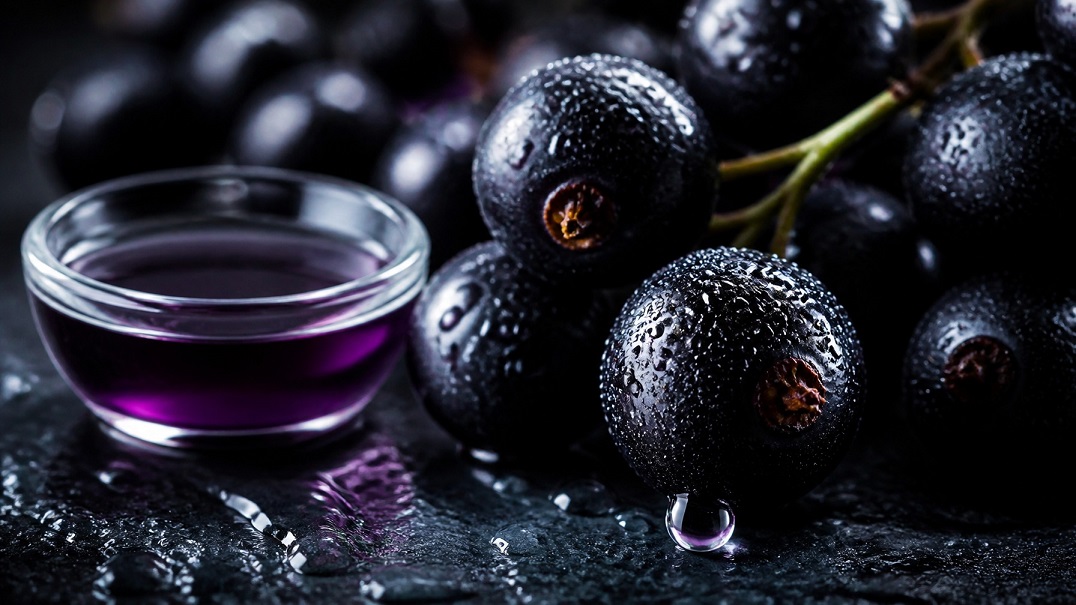
Possibly, but the evidence is thinner than for blackcurrant and screen-related eye fatigue. There are no well-established trials showing that blackcurrant alone treats dry eye. Some multi-ingredient formulas that include blackcurrant or related anthocyanins have improved dry eye measures, though, so it is a reasonable ingredient to watch, not a proven fix.
What Dry Eye Actually Is
Dry eye happens when your tears are too few or too unstable to keep the eye surface comfortable. It can cause stinging, burning, gritty feelings, watery eyes, and blurry vision. It is also a common companion of long screen sessions, as covered in our article on eye strain versus dry eyes.
Aging, hormones, indoor air, and contact lenses all contribute. Our guide to dry eyes as you age explains why the problem tends to grow over time.
Why Researchers Look at Blackcurrant for Dry Eye
The reasoning is indirect. Blackcurrant is rich in anthocyanins, which are antioxidants, and oxidative stress on the eye’s surface is thought to play a role in dry eye. We cover the fruit’s eye research in blackcurrant and eye health.
That is a hypothesis, not a result, and it is a common reason people connect antioxidants and dry eye.
Blackcurrant on Its Own: What Is Known
The most relevant study of blackcurrant extract alone is a randomized trial registered on ClinicalTrials.gov. It tested 455 mg of extract, providing 50 mg of anthocyanins, against placebo for 70 days in women who spent six or more hours a day on screens. Its main measure was a questionnaire covering blurred vision, dry eye, and eye strain.
Results were announced by the extract’s maker and reported in trade news, and the coverage described a peer-reviewed publication as still pending, so treat those findings as preliminary. The questionnaire also combined dry eye with other symptoms, so it does not isolate dry eye alone.
Multi-Ingredient Formulas With Better Evidence
A stronger signal comes from formulas that bundle several ingredients. In a randomized trial of adults with eye fatigue, a botanical combination of lutein ester, zeaxanthin, and blackcurrant, chrysanthemum, and goji berry extracts improved scores for dry eye, blurred vision, soreness, and tearing compared with placebo, as reported on PubMed.
A separate trial in 43 dry eye patients tested an antioxidant supplement containing anthocyanosides (a bilberry-type anthocyanin), astaxanthin, vitamins A, C, and E, and herbal extracts. After eight weeks, tear film breakup time and tear production improved compared with placebo, according to PubMed.
The takeaway is encouraging but limited. These formulas combined many ingredients, so the benefit cannot be credited to blackcurrant specifically.
Why Dry Eye and Eye Strain Get Confused
Part of the confusion in this research is that the two problems overlap. Staring at a screen reduces blinking, which can dry the surface and also tire the focusing muscle. A supplement that eases focusing fatigue may make your eyes feel better overall without changing your tear film at all.
When you read a study, check which outcome was measured. Tear break-up time and tear production are dry eye measures. A symptom questionnaire is a broader and more subjective gauge, and the studies above use both.
What Helps Dry Eye More Reliably
Nothing beats the basics. Blink fully and often during screen work, take regular breaks, keep air from blowing directly on your face, and use preservative-free artificial tears if your eye doctor recommends them. Our look at indoor air quality and tear film stability shows how much your environment matters.
Persistent dry eye deserves an exam. Causes such as blocked oil glands, medications, or autoimmune conditions need proper treatment, and a supplement will not solve those.
Realistic Expectations
If you try a blackcurrant-containing supplement, give it at least eight to twelve weeks, since those are the timeframes in the studies above. Keep your other dry eye habits going so you can tell what is helping. If your symptoms are severe or getting worse, treat the supplement as a possible add-on, not a replacement for medical care.
Where Performance Lab Vision Fits In
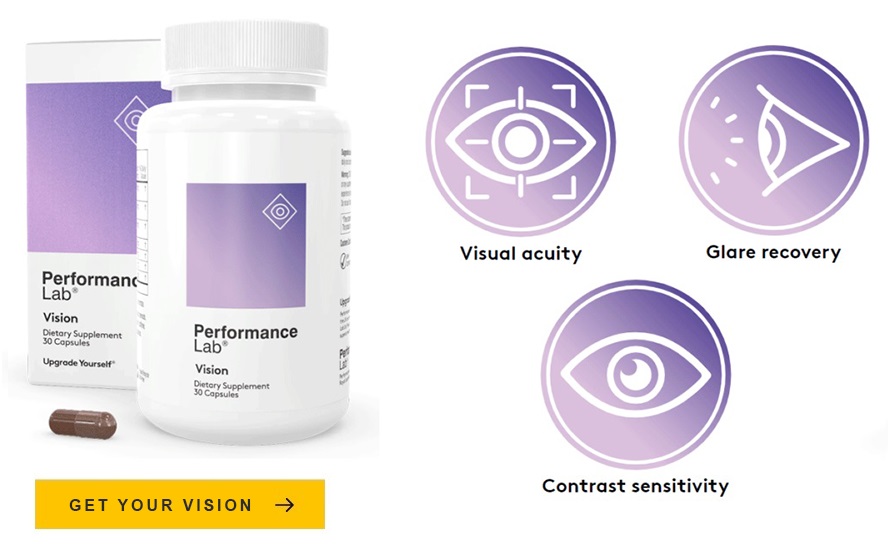
Performance Lab Vision contains 300 mg of freeze-dried European blackcurrant and 25 mg of blackcurrant extract standardized to 25% anthocyanins, alongside bilberry extract, lutein, zeaxanthin, astaxanthin, and saffron.