Can Vegetarians and Vegans Get Enough Eye Nutrients From Diet Alone?
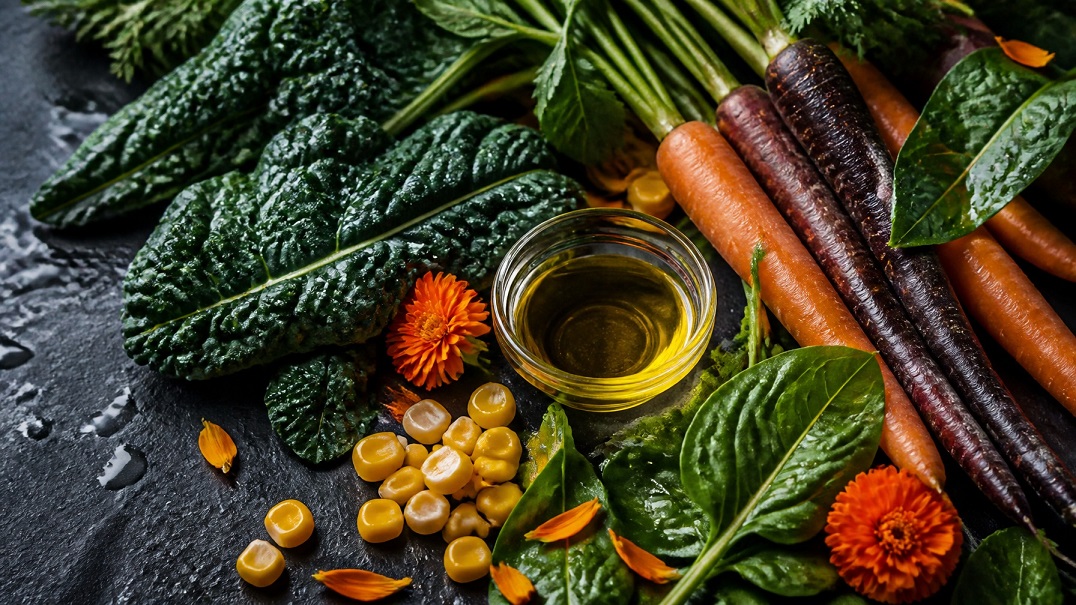
For some nutrients, yes. For others, it takes planning. Plant-based diets can deliver plenty of lutein and zeaxanthin, and these are the pigments most tied […]
For some nutrients, yes. For others, it takes planning. Plant-based diets can deliver plenty of lutein and zeaxanthin, and these are the pigments most tied […]
It depends on what you are hoping to change. Studies on screen-related eye fatigue usually measured results after 6 to 12 weeks of daily use. […]

Yes. Many medications affect the eyes, usually in mild and temporary ways such as dry eyes or blurred vision. A smaller number can cause serious […]
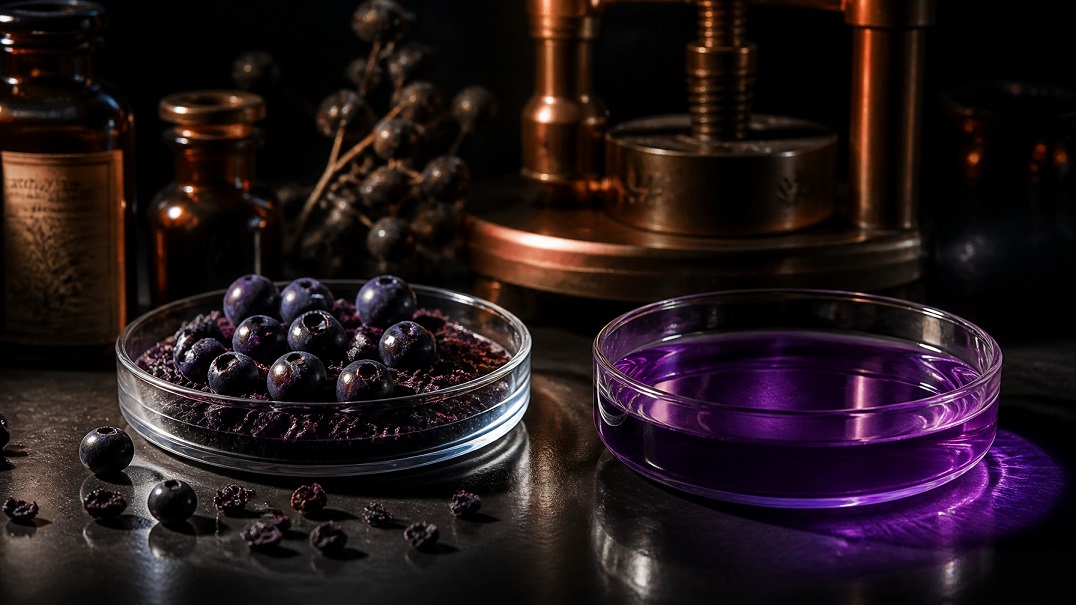
They are very closely related, and for most readers the difference is mainly one of vocabulary. Anthocyanins are the broad family of purple-blue plant pigments. […]
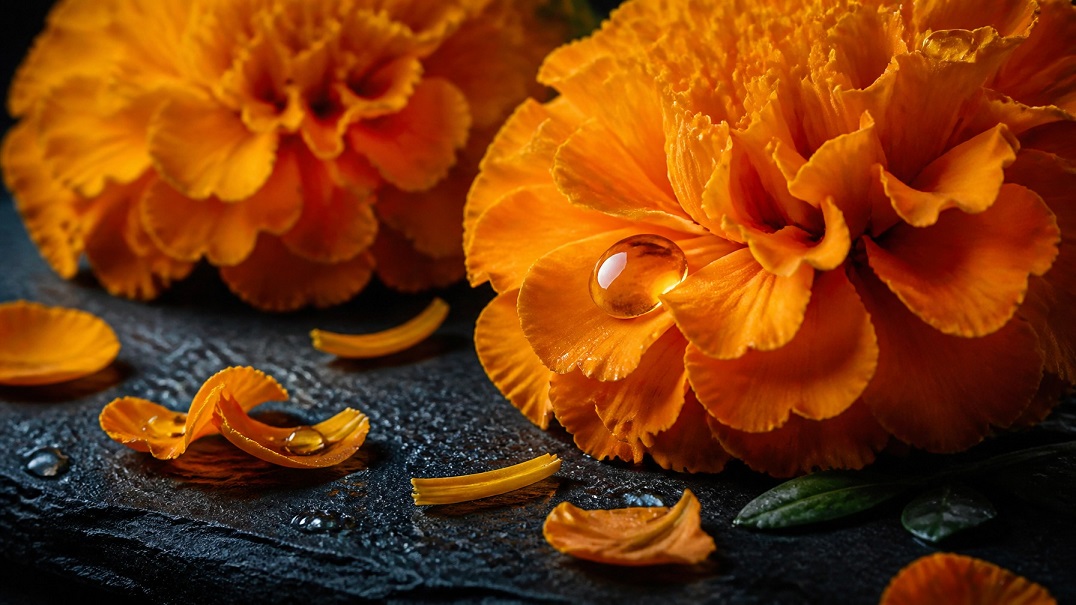
For supplements, marigold is the standard and an excellent source of lutein. It is the main commercial source worldwide, and research shows it raises blood […]
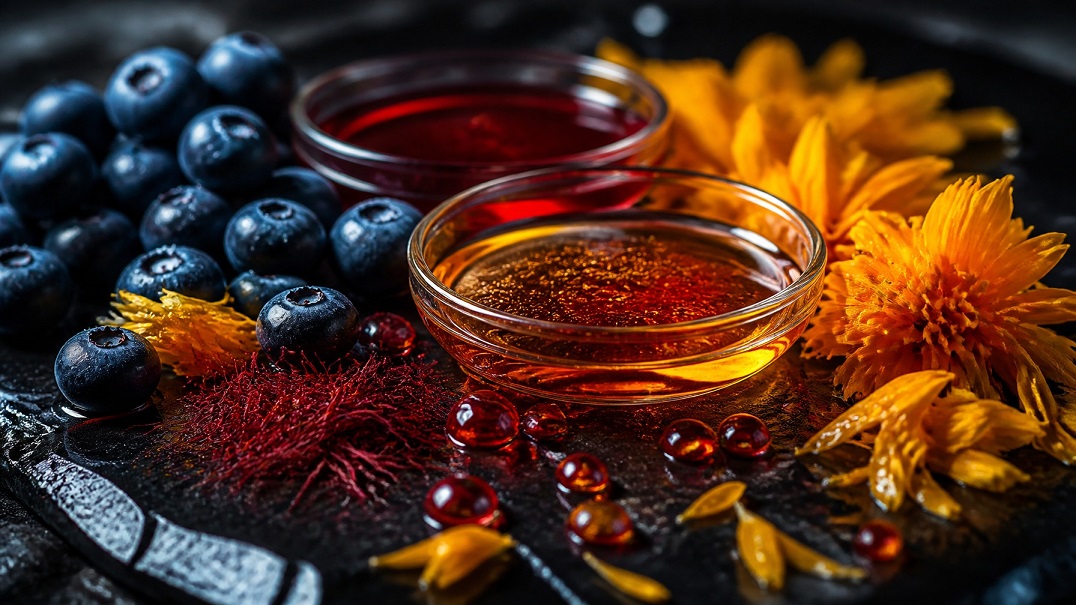
Often, yes, at least according to the best evidence available. In the landmark AREDS trial, a combination of antioxidants and zinc outperformed either component alone. […]

Possibly on both counts, with an important caveat. Clinical trials suggest saffron may ease symptoms of low mood and anxiety, and stress is linked to […]

Possibly, yes. A few small human trials suggest that astaxanthin, a red pigment from microalgae, may help the eyes hold their focus better after long […]

Possibly, yes. Several human trials suggest that anthocyanins, the deep purple pigments found in bilberries and blackcurrants, may reduce the focusing strain behind screen-related eye […]

Most people can rattle off their family’s history of heart disease or cancer without much thought, since those conversations tend to come up naturally at […]