Watch a professional sommelier work through a glass of wine and you’ll notice something odd if you’re paying attention: they spend a surprisingly long time just looking at it before they ever bring it near their nose. They’ll tilt the glass against a white tablecloth, study the color from the center out to the rim, swirl it and watch how the liquid clings to the glass afterward. None of this is theater. It’s the first and, in some ways, the most information-dense step of a process that trained tasters rely on just as heavily as smell and taste, and it works because the eyes genuinely can extract real, useful data from a glass of wine or whisky before a single drop touches the tongue.
Why Professional Tasting Starts With Looking, Not Smelling or Sipping
Formal wine evaluation frameworks used by professional certification programs, like the Wine and Spirit Education Trust’s systematic approach and the Court of Master Sommeliers’ deductive tasting method, both begin with a dedicated appearance stage before moving on to aroma and flavor. That’s not an arbitrary sequencing choice. Visual cues about a wine’s clarity, color, and viscosity offer real clues about its age, grape variety, and winemaking process, and reading them first lets a taster form hypotheses that smell and taste can later confirm or contradict.
The Systematic Framework Behind a Sommelier’s First Glance
A trained taster typically holds the glass by the stem and tilts it against a white background at an angle, which makes subtle color variations far easier to see than looking straight down into the glass. From there, the assessment usually covers several specific categories in sequence: clarity, ranging from brilliant to hazy or cloudy, color intensity, ranging from pale to deep, the specific hue itself, and any visible phenomena like tears running down the inside of the glass, bubbles, or sediment. Each of these carries its own piece of the puzzle, and skilled tasters learn to read them almost as quickly as reading a sentence.
What Color and Clarity Actually Reveal About a Wine
Clarity is often the simplest signal to interpret. A wine that appears brilliant and clear generally points to careful winemaking, while noticeable haziness can indicate a fault or an unfiltered style chosen deliberately by the producer, which trained tasters learn to distinguish from context and other cues. Color intensity and hue carry more nuanced information. A young red wine typically shows a vivid purple or ruby color, while whites tend to start out pale straw or faintly green-tinted. As both age, something interesting happens: they move in opposite directions. Red wines lose color and pigment over time, shifting toward garnet, tawny, and eventually brick tones, while white wines gain color as they age, drifting from pale straw toward deeper gold and eventually amber.
Reading Rim Variation Like a Timestamp
One of the more specific techniques involves examining what’s called rim variation, the color gradient visible right where the wine meets the edge of the glass. A young wine tends to show a fairly uniform color all the way to the rim, while an older wine typically shows a noticeably different, often lighter or browner color right at that edge, a visual effect winemakers and sommeliers sometimes call bricking. A pronounced bricking rim on a red wine is often read as a sign of significant age, sometimes suggesting a wine a decade or more past its vintage, well before the taster has taken a single sniff.
The Legs That Have Nothing to Do With Sweetness Myths
Swirl a glass of wine and watch closely afterward, and you’ll see thin rivulets, commonly called legs or tears, form and slowly run back down the inside of the glass. There’s a persistent myth that thicker, slower legs always indicate a sweeter wine, but the real explanation is a bit more specific. The effect comes from something called the Gibbs-Marangoni effect, a physical phenomenon involving differences in surface tension as alcohol evaporates faster than water from the thin film of wine clinging to the glass. Thicker, slower-moving legs generally point to higher alcohol content, higher residual sugar, or some combination of the two, giving a trained taster a rough read on body and richness before ever tasting the wine.
The Study That Embarrassed Wine Experts Around the World
All of this trained visual assessment rests on a slightly uncomfortable truth: vision doesn’t just supplement taste and smell in a beverage tasting, it actively shapes them, sometimes overriding what’s actually happening on the palate entirely. The clearest demonstration of this came from a widely cited 2001 study published in the journal Brain and Language by researchers Gil Morrot, Frédéric Brochet, and Denis Dubourdieu at the University of Bordeaux. The researchers took an ordinary white wine, colored a portion of it with an odorless red dye so it visually resembled a red wine, and asked a panel of wine students to describe both samples using standard tasting vocabulary.
Why the Illusion Fools Experts Just as Easily as Beginners
The dyed white wine was overwhelmingly described using language typically reserved for red wines, including references to dark and red fruit character that had no business showing up in a white wine’s flavor profile. None of the participants identified the sample as a manipulated white wine. The researchers concluded that the visual information provided by color was, in this instance, powerful enough to override the actual olfactory signal being processed, effectively rewriting how trained tasters interpreted a smell they were perfectly capable of identifying correctly under normal circumstances. It’s a genuinely humbling finding, not because it proves wine expertise is meaningless, but because it shows just how deeply intertwined vision and the other senses really are, even among people who have spent years training their palates specifically to notice subtle differences.
Whisky’s Version of the Same Trained Eye, and Where It Gets Fooled on Purpose
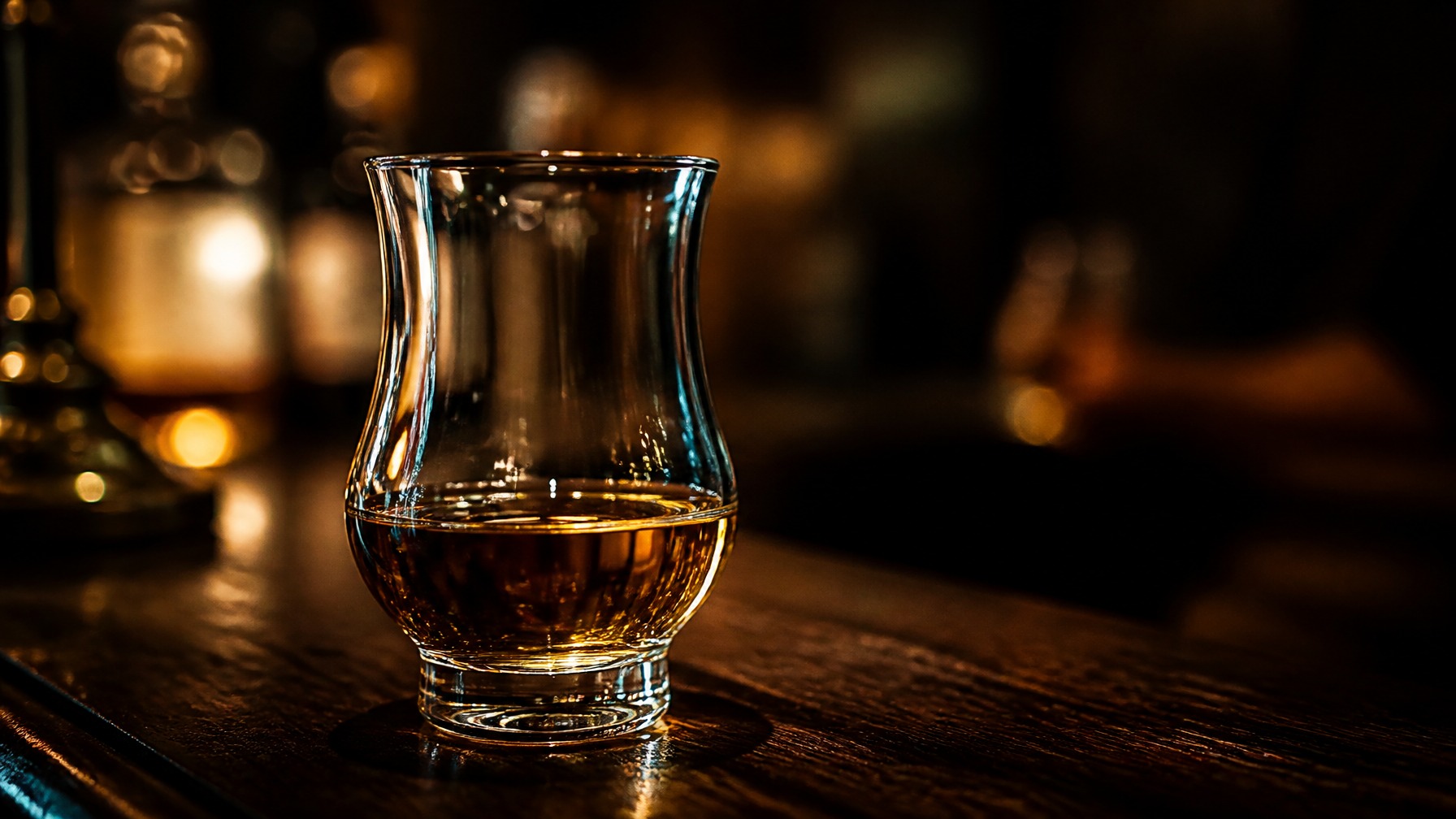
Whisky drinkers rely on a similar visual vocabulary. Color is often used as an informal guide to maturation and cask type: pale straw suggesting a bourbon cask and a shorter maturation, deep amber or mahogany suggesting either extended aging or maturation in a sherry cask, which imparts significant color along with flavor. For decades, casual drinkers and even some enthusiasts have treated a darker whisky as a reliable stand-in for an older or more heavily sherry-influenced one.
Why Trained Eyes Still Get Deceived on Purpose
The complication is that, unlike wine, whisky color can be deliberately and legally adjusted. Regulations in Scotland and several other whisky-producing countries permit the addition of a caramel coloring agent known as E150a, used to keep the color consistent from batch to batch or, less charitably, to make a younger or blander spirit visually resemble something richer and more heavily aged. A small amount is enough to shift an entire cask’s appearance from pale gold to deep mahogany without meaningfully altering the flavor. This means that color, one of the most heavily relied-upon visual cues in casual whisky evaluation, can be actively engineered to mislead the very instinct trained tasters are relying on. Professional and serious hobbyist tasters have adapted by leaning more heavily on aroma, palate, and finish, treating color as a much weaker signal than it might first appear, precisely because they know it can be manufactured.
What This Says About Trained Vision in General
What’s genuinely interesting about both examples is that they show two very different relationships between trained vision and expertise. In wine, a keen, well-trained eye reveals real, largely unmanipulated information about age, condition, and style, provided the taster knows how to interpret rim variation, viscosity, and hue correctly. In whisky, that same instinct to read meaning into color can be turned against the taster, since the fluid itself can be quietly altered to trigger assumptions that have nothing to do with what’s actually in the glass. Either way, the eyes are doing real, active interpretive work long before a sommelier or whisky judge takes a single sip, which says something worth remembering well beyond the tasting room: a surprising amount of what we perceive as taste is actually something we saw first.
Frequently Asked Questions
Why do sommeliers look at wine before smelling or tasting it?
Visual characteristics like clarity, color, and viscosity provide real information about a wine’s age, grape variety, and winemaking process. Professional tasting frameworks place a visual assessment first so tasters can form hypotheses that smell and taste can later confirm.
What do “wine legs” or “tears” actually indicate?
The tears that form on the inside of a swirled wine glass result from a physical phenomenon called the Gibbs-Marangoni effect, related to differences in surface tension as alcohol evaporates. Thicker, slower-moving legs generally indicate higher alcohol content, higher residual sugar, or both, rather than sweetness alone.
Can color really trick wine experts into misjudging a wine’s taste?
Yes. A well-known 2001 study found that wine students overwhelmingly described a white wine dyed red using language typically reserved for red wines, none of them identifying it as a manipulated white wine. The study demonstrated that visual color information can override actual olfactory perception, even among trained tasters.
Is whisky color a reliable indicator of its age or quality?
Not necessarily. Many whisky-producing regions, including Scotland, legally permit the addition of caramel coloring to adjust a whisky’s appearance without significantly affecting its flavor. This means darker whisky isn’t always older or more heavily cask-influenced, which is why experienced tasters treat color as a weaker signal than aroma and palate.