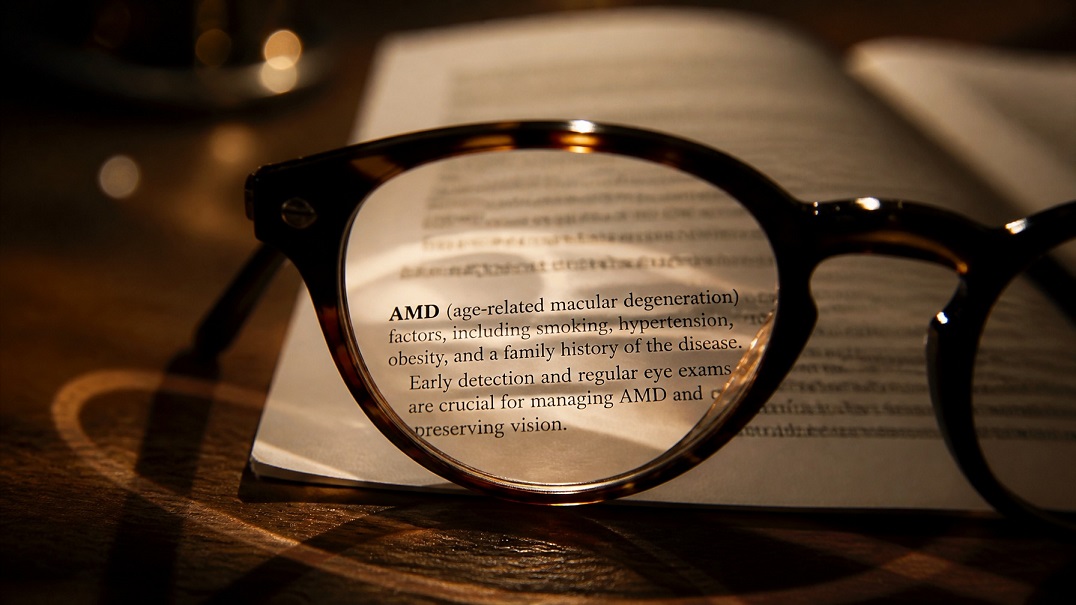
No. Wearing glasses does not make your eyes weaker or more dependent. Glasses simply let you see clearly, so going without them afterward feels worse by comparison. Prescriptions often change over time because eyes grow and age, not because the lenses caused a decline.
Why Glasses Feel Like a Crutch
The myth makes emotional sense. Before glasses, you may not have realized how blurry the world was. Afterward, taking them off reveals the blur in sharp contrast, and it seems worse than before.
Nothing about your eyes changed in that moment. You simply know what clear vision looks like now, and the blur is harder to ignore.
What Eye Doctors Say
The American Academy of Ophthalmology addresses this directly. According to the American Academy of Ophthalmology, using your glasses will not worsen your vision or lead to any eye disease. If you need glasses for distance or reading, using them avoids straining your eyes and gives you the best vision possible.
The Academy also notes that reading and detailed close-up work do not wear out the eyes. They can make the eyes tired, so occasional breaks help, but they do not cause permanent harm.
Why Your Prescription Changes Over Time
If glasses are not the cause, why do prescriptions keep changing? The answer depends on age. In children, growth drives the change. A Cochrane review of myopia in children notes that nearsightedness typically progresses faster at younger ages, though onset and progression vary widely from person to person, as reported on PubMed Central.
In adults, the lens inside the eye gradually stiffens. Our article on presbyopia explains why reading glasses become necessary in midlife, and why your eye prescription keeps changing after 60.
Would Skipping Glasses Slow Nearsightedness?
It is a fair question, since some people believe leaving myopia uncorrected helps the eyes. The research does not support it. The Cochrane review found that undercorrecting myopia slightly increased progression in two studies, with undercorrected children progressing on average 0.15 diopters more than fully corrected children over one year.
That finding comes from low-certainty evidence, so it is not a final verdict. It certainly gives no reason to expect that going without glasses protects a child’s eyes.
Wrong or Outdated Glasses
A related worry is that the wrong prescription will hurt your eyes. The Academy says glasses with an incorrect prescription will not damage your eyes, but they can strain them and cause achiness, blurriness, or a headache. That should go away when you take the glasses off.
So an old pair is not dangerous, but it can make you uncomfortable. If you squint through your lenses or get headaches after reading, it may be time for a new exam.
Do Reading Glasses Make You Need Stronger Ones?
A common version of the myth targets reading glasses. People notice that they need stronger readers every few years and blame the glasses. In reality, the focusing ability of the eye declines gradually with age whether or not you wear readers. The glasses are simply keeping pace with a natural change.
Children and Glasses
Parents sometimes hesitate to put a child in glasses, worried the child will become dependent. The Academy’s guidance is that glasses do not worsen vision, so there is no reason to delay. A child who cannot see the board or the TV clearly is straining, and correcting that is the point. If your child sits very close to screens or squints often, see our article on screen time in children and book an exam.
What About Non-Prescription Glasses?
Everything above applies to prescription lenses. Non-prescription options, such as blue light glasses, are a separate question about whether they deliver the benefits claimed. Our article on whether blue light glasses actually work covers that.
How Often to Update Your Prescription
The Academy recommends yearly eye exams to catch both reversible and permanent threats to vision, such as glaucoma and macular degeneration. Those visits also keep your prescription current, which helps your eyes feel their best.
Our guide to eye exams as you age explains what each visit should include.
The Takeaway
Glasses are a tool, not a habit that can backfire. Wear them when you need them, update them when your vision changes, and let your eyes rest between long stretches of close work.