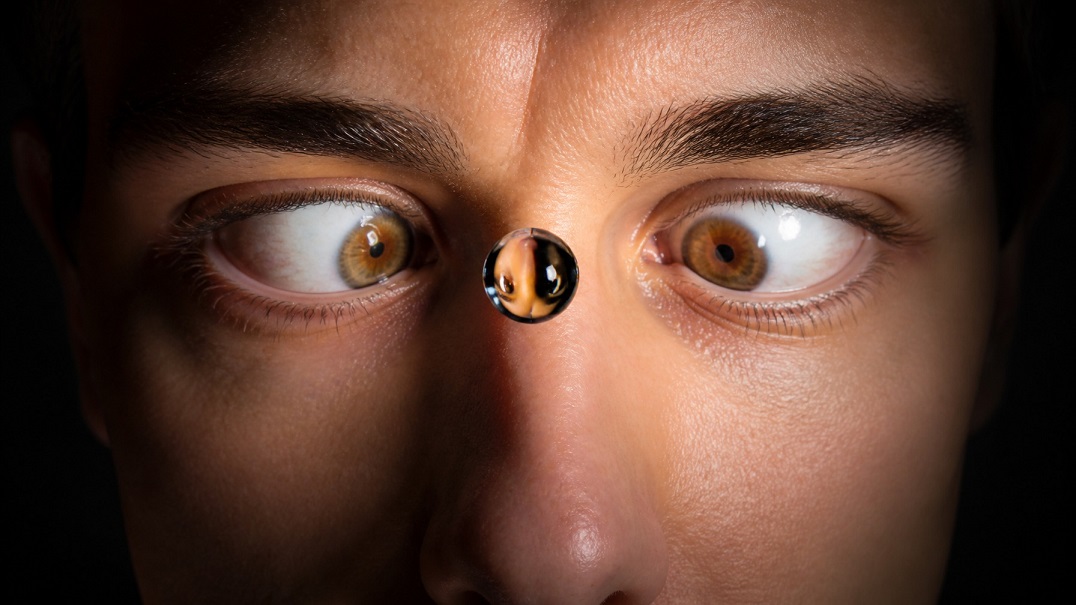
No. Crossing your eyes on purpose will not make them stay that way. Your eye muscles are built to move in every direction and return, so a few seconds of silliness is harmless. True crossed eyes, a condition called strabismus, come from other causes, such as uncorrected vision problems, disease, or muscle and nerve damage.
Where the Warning Came From
Generations of kids heard the same line: if you keep crossing your eyes, they will freeze that way. It has the shape of a classic parental warning.
It stuck around because it sounds plausible. Muscles tire, and eyes can feel odd after being held at an extreme angle. But feeling odd and being stuck are very different things.
What Eye Doctors Say
The American Academy of Ophthalmology lists this as a myth. According to the American Academy of Ophthalmology, your eye muscles allow you to move your eyes in all directions. Looking left or right, up or down, will not force them to stay in those positions, and crossing the eyes will not force them to stay that way.
That is straightforward and reassuring. You cannot lock your eyes into place by crossing them.
What Actually Causes Crossed Eyes
The same Academy guidance explains that crossed eyes may result from disease, uncorrected vision, or muscle or nerve damage. In other words, real strabismus is a medical condition, not a habit you picked up from goofing around.
The Academy’s adult strabismus page adds that eye muscles that are too stiff or too weak can cause misalignment. You can read more in its explanation of adult strabismus.
Crossed Eyes in Children
Strabismus is more common in young children, and catching it early matters. The Dean McGee Eye Institute explains that in children, failing to correct strabismus can result in vision loss, and that lazy eye can be a complication of crossed eyes, as noted on its crossed eyes in adults page.
So if a child’s eye turns in or out regularly, that is a reason for an exam, not a reason to scold them for goofing around.
Crossed Eyes in Adults
Strabismus is not just a childhood issue. Yale Medicine notes that an estimated 4 percent of adults in the United States will experience strabismus in their lifetimes. Adults who develop it after childhood often see double, according to the Academy.
The American Association for Pediatric Ophthalmology and Strabismus (AAPOS) says that when strabismus appears suddenly in adulthood, it almost always causes double vision, according to its adult strabismus glossary. Yale adds that damage to cranial nerves can cause strabismus and double vision, in its adult strabismus overview.
Warning Signs Worth Taking Seriously
New double vision deserves prompt attention. Other signs of adult strabismus the Academy lists include blurry vision, trouble reading, loss of depth perception, a feeling of pulling around the eyes, and constantly tilting or turning your head to see clearly.
Anything sudden should be checked quickly, because nerve problems can be behind it. This is a case where a quick call to your doctor is far better than waiting.
Is Crossing Your Eyes Ever a Problem?
As a party trick, crossing your eyes is harmless. If you cannot uncross them, notice double vision afterward, or feel pain, get checked. Those would signal a different problem, not a result of the crossing itself.
It is also worth separating the trick from convergence insufficiency, in which the eyes struggle to work together on near tasks like reading. The Academy notes that eye exercises may help in that specific condition, but they do not apply to everyone.
How Strabismus Is Treated
Treatment depends on the cause. The Academy mentions prisms for mild double vision, exercises for convergence insufficiency, and surgery to adjust the eye muscles. Many adults return to normal routines within a few days after surgery, according to the Academy’s page.
Early diagnosis helps, so book an exam if you or your child shows any of the warning signs above.
What to Do Next
If your eyes simply wander when you are tired, mention it at your next checkup. If anything is sudden or comes with double vision, call sooner. Our guide to eye exams as you age covers what a thorough exam includes.