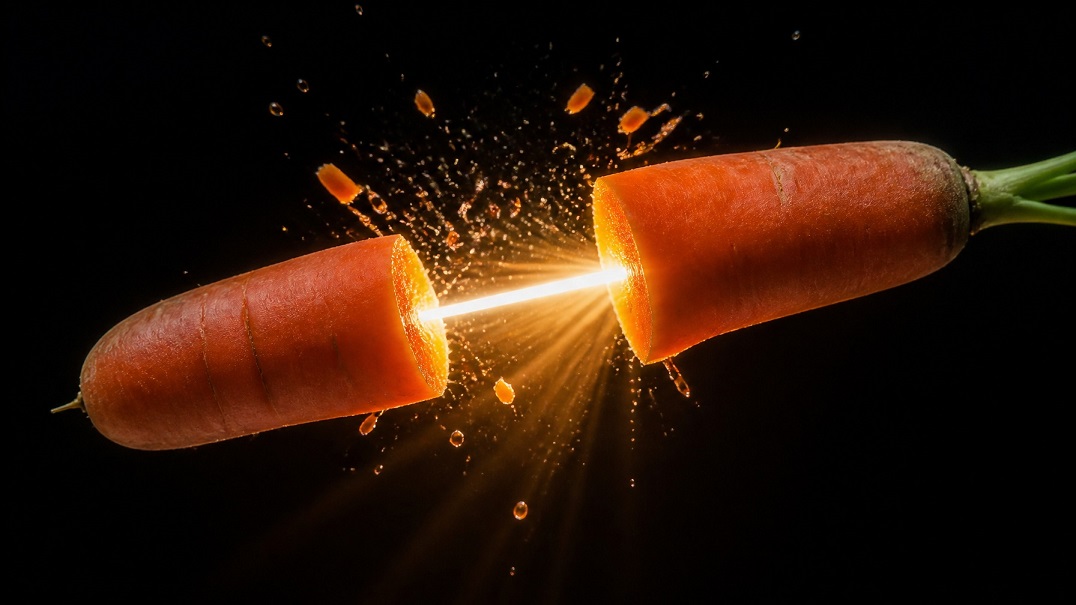
Not in people who already get enough vitamin A. Carrots are rich in beta-carotene, which your body converts to vitamin A, and vitamin A is essential for normal vision. Eating more carrots can restore sight in someone who is deficient, but it will not sharpen healthy eyes or replace glasses. Think of carrots as maintenance for your eyes, not an upgrade.
Where the Carrot Myth Came From
The story traces back to World War II. British pilots were shooting down German bombers during night raids, and officials credited carrots for their sharp night vision. The real reason was airborne radar, a technology the government wanted to keep secret, as Smithsonian Magazine explains.
The campaign worked remarkably well, and the idea has outlived the war, the secret it protected, and most of the people who first heard it. Parents still say it at the dinner table today.
What Vitamin A Actually Does in Your Eyes
The myth had a grain of truth, which is why it stuck. Your retina uses vitamin A to make the light-sensitive pigment that lets you see in dim conditions. Our article on rhodopsin explains how that molecule works.
When vitamin A runs short, night vision is one of the first things to suffer. That is the real connection between carrots and the dark. It also explains why the myth sounded believable to people who had never heard of rhodopsin.
When Carrots Can Help: Vitamin A Deficiency
If you are deficient, more vitamin A can reverse the problem. The Smithsonian piece, citing earlier reporting, notes that vitamin A can restore poor vision caused by a deficiency, but it will not strengthen eyesight or slow decline in healthy people.
For most Americans, deficiency is rare. An NPR report on the topic, citing the CDC, points out that vitamin A deficiency is uncommon in the United States. That is why a plate of carrots will not give most readers a noticeable boost, as described in the NPR story.
What Eye Doctors Say About Carrots and Vision
The American Academy of Ophthalmology lists this as a myth and explains why. Your body needs only a relatively small amount of vitamin A for vision, and it can come from dark leafy greens, brightly colored vegetables, dairy, and fish. According to the American Academy of Ophthalmology, eating vitamin A-rich foods helps you maintain good eyesight, but it will not improve your vision or keep you from needing glasses or contacts.
That distinction matters. Maintaining healthy eyes and improving poor focus are different jobs. Nearsightedness, farsightedness, and astigmatism come from the shape of the eye, and no vegetable changes that.
Better Ways to Feed Your Eyes Than Carrots Alone
Variety beats any single food. The NPR report notes that sweet potatoes can supply even more vitamin A than carrots, and that dark leafy greens such as spinach and kale are also rich sources. Eggs add lutein and zeaxanthin, the pigments that build up in the macula.
Pairing these foods with fat helps, because vitamin A is fat-soluble. The AAO advises eating vitamin A-rich foods together with fat to absorb more of the benefit. A drizzle of olive oil on roasted carrots does the job nicely.
If night vision is your main interest, our article on nutrition for night vision looks at what the evidence actually supports.
For a fuller picture, see our guides to diet for eye health and foods highest in lutein and zeaxanthin. Our summary of how beta-carotene, lutein, and zeaxanthin protect the eye goes deeper into the science.
What to Do if Your Night Vision Seems Off
Do not respond to dim-light trouble by buying a bigger bag of carrots. Difficulty seeing at night can come from many causes, including cataracts, an outdated prescription, and certain retinal conditions, in addition to low vitamin A. Our guide to why night vision gets worse with age covers the common ones.
A comprehensive eye exam is the reliable way to find the cause. If your doctor does find a deficiency, treat it as a medical issue and follow their guidance on diet or supplements.
Why a Myth Like This Survives
It helps that the advice is harmless. Telling a child to eat carrots for good eyes leads to a healthier meal, so nobody has much reason to correct it. The trouble starts only when someone expects carrots to fix blurry vision, or skips an eye exam because they eat plenty of vegetables.
The Bottom Line on Carrots
Enjoy them. They are nutritious, inexpensive, and good for your eyes in the way any balanced diet is. Just do not expect them to do what the wartime posters promised.