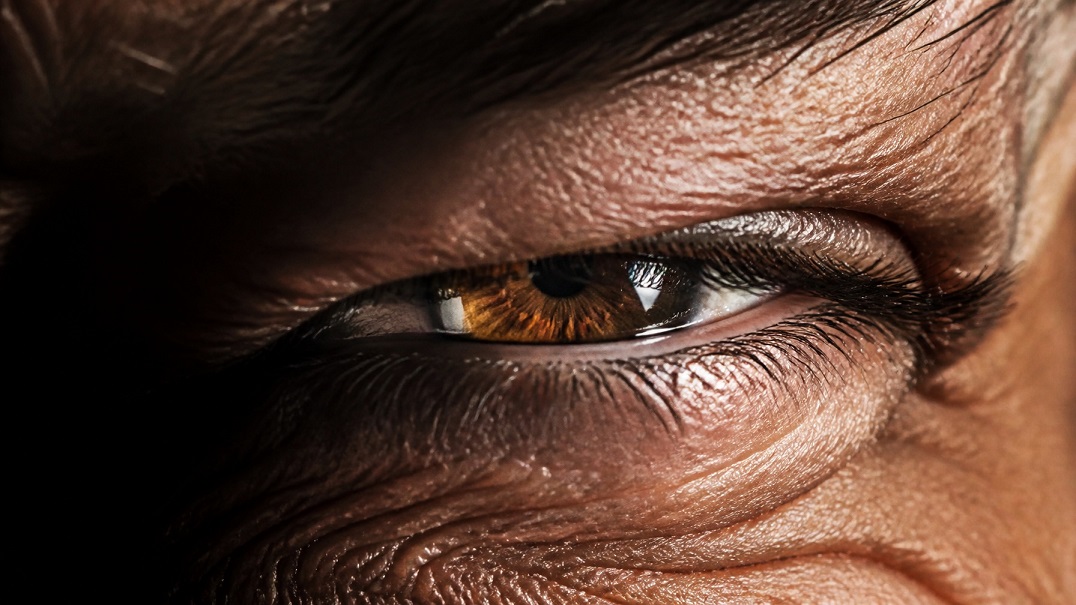
No. Squinting does not damage your eyes or make your eyesight worse. It works by narrowing the opening between your eyelids, which temporarily sharpens a blurry image. The catch is that frequent squinting can cause headaches and tired facial muscles, and it often means you need glasses or an updated prescription.
Why Squinting Makes Things Look Clearer
Squinting borrows a trick from old box cameras. When you partly close your eyelids, you shrink the effective size of your pupils, which creates what optics experts call the pinhole effect. All About Vision explains that the smaller the pupil opening, the less blur from refractive errors reaches the retina.
Think of it as turning down the aperture on a camera. Less light enters through the edges of the lens, where focusing errors tend to be largest, so the image tightens up. That is why people instinctively squint at a distant street sign or a small restaurant menu.
What Eye Doctors Say About Squinting and Damage
The same All About Vision guide states plainly that squinting will not damage your eyes or worsen your eyesight. Ophthalmologists interviewed for an ABC News roundup of eye myths agreed. One told reporters people can squint all they want, and the report notes that the eye itself is not affected, as described in ABC News.
So you can set that old worry aside. Squinting is a symptom of blur, not a cause of it.
Why Squinting Is Only a Temporary Fix
The pinhole effect masks blur without correcting it. Your cornea and lens keep the same shape whether you squint or not, so the sharper image vanishes the moment you relax your eyelids.
That also means squinting cannot substitute for glasses. It can help you read a menu in a pinch, but it will not give you comfortable, all-day clarity.
What Squinting Can Cause: Headaches and Wrinkles
Squinting is harmless to the eye, but not entirely free. All About Vision notes that frequent, prolonged squinting can cause headaches and may speed up age-related wrinkling of the skin on your forehead and around your eyes.
The muscles around your eyes and brow tighten each time you squint, and holding that tension for hours leaves them sore. If you finish most days with a tight forehead, our guide to eye strain headaches may help you pinpoint the cause.
What Frequent Squinting Is Telling You
This is the most useful part of the whole topic. A comprehensive ophthalmologist quoted in the ABC News roundup said squinting suggests you may have a refractive error, and that it is how some people get around wearing glasses.
The usual suspects are nearsightedness, astigmatism, and presbyopia, the age-related loss of near focus that appears in midlife. Our article on presbyopia explains why menus suddenly seem to shrink in your 40s.
Squinting vs. a Squint Eye
The word creates some confusion. All About Vision points out that “squint eye,” as in “he has a squint eye,” usually refers to a misaligned eye, a condition called strabismus, which is different from the act of squinting.
If you or your child has an eye that turns inward or outward, that deserves an exam from an eye doctor who can also refer you to a specialist if needed. Squinting to see well and having eyes that point in different directions are separate issues.
Squinting in Bright Light
Not all squinting is about blur. In bright sun, squinting is a natural way to cut glare. Wearing quality sunglasses does the job more comfortably, and All About Vision recommends choosing lenses that block 100% of the sun’s UV radiation.
Our guides to what actually matters in sunglasses and UV light and your eyes explain what to look for.
Squinting at Screens
Many people squint at small text on a phone or monitor. According to the American Academy of Ophthalmology, using a computer will not harm your eyes, but doing so without breaks can contribute to strain, tired eyes, or dry eyes. The Academy suggests resting your eyes every 20 minutes by looking up or across the room.
If you catch yourself squinting at a screen, enlarge the text first. If that does not help, your prescription may be due for a check.
What to Do if You Squint a Lot
The fix is simple. All About Vision recommends starting with a comprehensive eye exam with an optometrist or ophthalmologist. Most squinting disappears once the right lenses are in place, whether that means glasses, contacts, or reading glasses.
Our guide to eye exams as you age explains what to expect and how often to go. Squinting is your eyes asking for help, and the answer is usually an easy one.