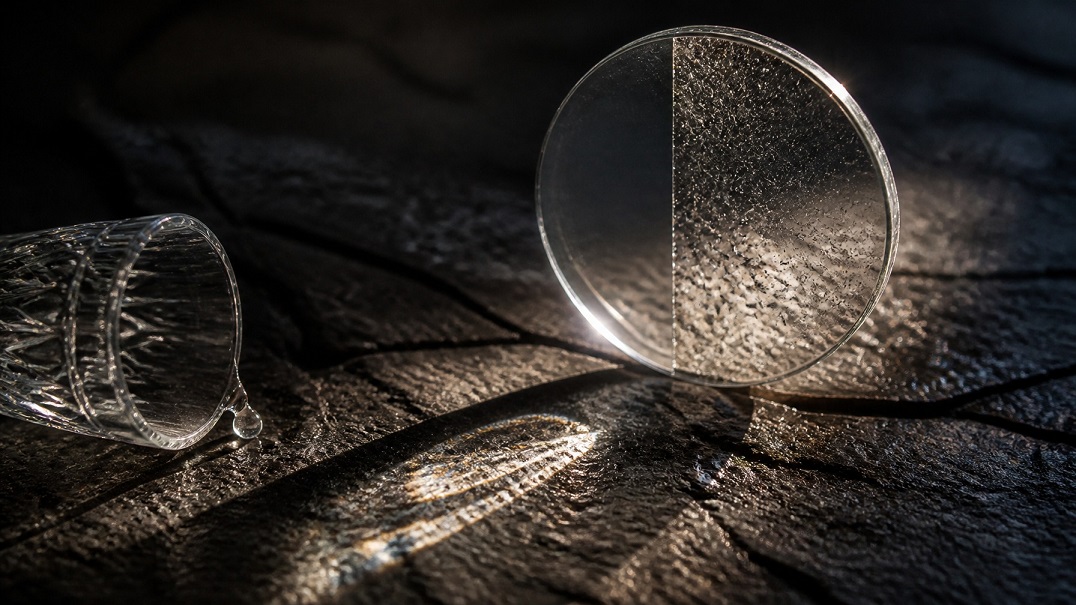
Yes, it can, though usually in a mild and temporary way. Dehydration may leave the surface of your eyes dry and irritated, and an uneven tear film scatters light and blurs vision. Drinking fluids and blinking often typically clears it up. Blur that does not improve, or that comes with other symptoms, points to something other than thirst.
How Dehydration Can Affect Your Eyes
Your eyes are coated by a thin film of tears that keeps the front surface smooth and clear. When that film is disrupted, vision suffers even if your eyes are otherwise perfectly healthy.
According to All About Vision, dehydration can cause dry, red, and irritated eyes as well as blurred vision. The same guide explains that dry eyes can blur vision through an irregular tear film or, in more severe cases, small scratches on the cornea called punctate epithelial erosions.
What the Research Shows About Hydration and Dry Eye
The link is plausible, but the evidence is still developing. One hospital-based study of 111 older adults, with an average age of 77, measured the concentration of dissolved particles in the blood. People classified as having dry eye had higher blood osmolality than those without it, which suggests they were less well hydrated, according to the published study from Bangor University.
That finding comes with caveats. The study captured a single moment in a group of hospital patients, so it cannot prove that dehydration caused the dry eye. A clinical review in Contact Lens Spectrum noted that the researchers did not find correlations between blood osmolality and each individual dry eye sign, and concluded that we do not yet know how much whole-body hydration affects tear osmolarity.
Why Blur Can Come and Go
A tear film problem produces a distinctive pattern. Vision looks smeared, then sharpens after you blink, then smears again as the tears break up. Reading or screen work can make this worse because we tend to blink less while concentrating.
If that sounds familiar, our guide to eye strain versus dry eyes can help you tell the two apart. Our article on hydration and your eyes covers the broader connection.
Other Ways Dehydration Can Blur Vision
Dry eye is not the only route. When you are low on fluids, your blood pressure can dip, especially when you stand up. A Mayo Clinic Q and A explains that a sudden drop in blood pressure can reduce blood flow to the brain, with symptoms ranging from light-headedness to vision changes or fainting, per Mayo Clinic.
That kind of blur tends to arrive with dizziness and passes within seconds or minutes of sitting down. It is a different pattern from the smeared, blink-dependent blur of a dry surface.
When Blurry Vision Is Not About Water
It is easy to blame dehydration for symptoms with other causes. Fluctuating blood sugar can temporarily change vision in people with diabetes, as a review from Barraquer Ophthalmology Centre notes, which is why blurry vision in someone with diabetes deserves a conversation with their doctor. Our guide to diabetes and eye health explains why.
An outdated prescription, eye strain, and eye infections can also blur vision. If drinking water does not help within a day or so, look elsewhere.
How to Keep Your Eyes Comfortable
Drink fluids steadily through the day, not only when you feel thirsty, and be especially mindful in hot weather, during illness, and after exercise. Blink fully and often during screen work, and look away from the screen regularly.
Dry indoor air makes a difference too. Our article on indoor air quality and tear film stability shows how easy changes to your space can help. Artificial tears can offer relief if your eye doctor agrees they suit you.
When to See a Doctor
Get medical help promptly if blurry vision comes on suddenly, affects one eye, or arrives with severe headache, confusion, chest pain, or fainting. Severe dehydration can itself be serious, so seek care if you feel faint or confused.
Bring a list of your medications and note when the blur happens, because timing and triggers help your doctor narrow down the cause. For ongoing blur that does not improve with fluids, schedule an exam. Our guide to eye exams as you age explains what to expect.