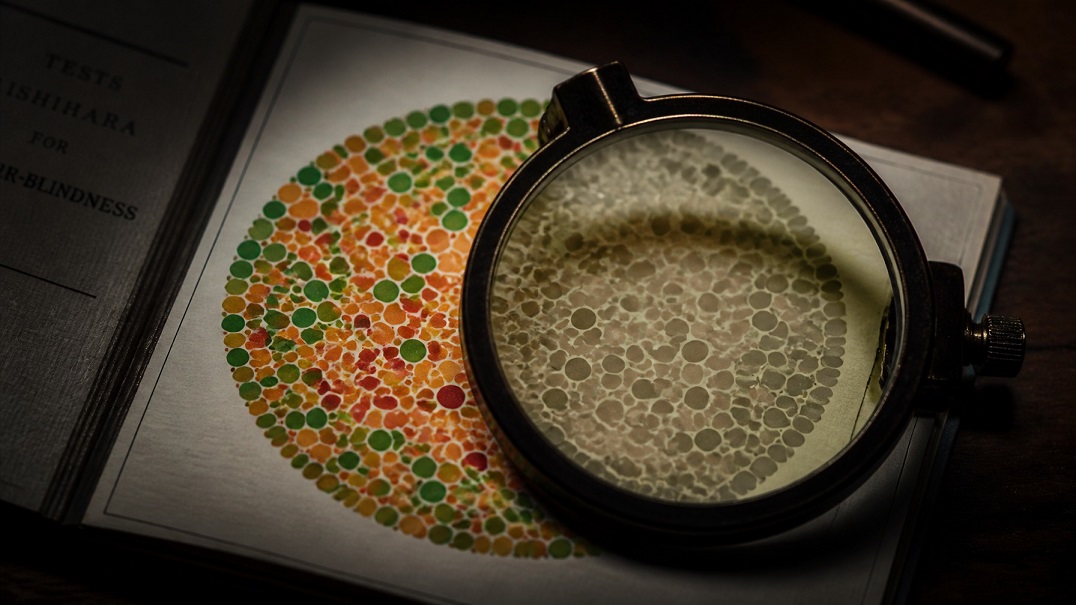
Yes, though it is less common than being born with it. Most color blindness is inherited, but eye diseases, injuries, certain medicines, and aging can reduce color vision later in life. Cataracts are a frequent cause, and some acquired causes can be treated. Because a new color change can point to a problem with the retina, optic nerve, or brain, it is worth an eye exam, especially if it is sudden or affects one eye.
Born With It or Acquired Later
The National Eye Institute says most people with color vision deficiency are born with it, because the common forms are genetic. It also reports that about 1 in 12 men have color vision deficiency. HealthLink BC adds that inherited color blindness is more common than acquired color blindness.
Acquired loss often happens when something damages the retina, the optic nerve, or the brain. It can appear after the eyes have worked normally for decades.
A Mild Case You Never Noticed
Before assuming something new is wrong, consider that you may have had it all along. The National Eye Institute says symptoms are often so mild that they are hard to notice, and people usually adjust, so many never know. Most people with inherited color vision deficiency do not have problems with everyday activities. NEI also notes that it sometimes does not show up until later in life.
A routine color test can tell the difference. The most common version shows a circle of colored dots with a hidden number, letter, or squiggly line that is easy to see with typical color vision but hard to see with a deficiency.
Cataracts and the Aging Lens
NEI says color vision may worsen with age, often because of cataracts. Learn more in our guides to lens yellowing and cataract risk factors.
Because a cataract is a lens problem, treating the underlying condition is the main strategy. Ask your eye doctor what fits your situation.
Eye Diseases and Health Conditions
NEI lists certain eye diseases and health problems, such as diabetes, Alzheimer’s disease, and multiple sclerosis, among the factors that raise risk. Glaucoma is a well-studied example. A 1999 British Journal of Ophthalmology review reports that glaucoma is mainly associated with blue-yellow defects, although debate continues about the exact pattern.
Our guides to diabetes and eye health and glaucoma, cataracts, and AMD cover the wider picture.
Medications and Injuries
Some medicines can affect color vision. MedlinePlus names hydroxychloroquine, used for rheumatoid arthritis and other conditions, as one example. NEI says a doctor may adjust the dose or switch medicines when a drug is responsible. Never stop a prescribed medicine on your own. Tell your prescriber about color changes, and see our overview of medications and vision problems.
NEI also lists retinal detachment, laser eye injuries, some brain tumors, and radiation treatments as possible causes.
One Eye, Both Eyes, and Changing Patterns
Acquired color loss often affects one eye more than the other, according to a London ophthalmology clinic. That makes a simple habit useful: occasionally look at something brightly colored with each eye covered in turn. If the color looks duller in one eye, call your eye doctor. This is a prompt to get checked, not a diagnosis. Note the date and any other symptoms, such as pain, blur, or missing patches, and share them at your visit.
The same clinic says acquired loss often looks different from the classic inherited red-green pattern, with blue-yellow changes particularly common. It can also accompany optic nerve problems such as optic neuritis, and it may progress or improve over time. Color vision can partially recover if the cause is reversible, but permanent deficits can remain after structural damage.
Testing and What Helps
Your eye doctor can usually test for color vision deficiency using a simple dot-pattern test, NEI explains. Inherited forms have no cure, but HealthLink BC says some acquired problems can be treated depending on the cause.
Special glasses and contact lenses can increase contrast between colors, and phone apps can name a color from a photo. NEI adds that research suggests gene therapies are promising for a severe type of color vision deficiency. Some careers test color vision, as covered in jobs that still test for colorblindness.
When to Get Checked Quickly
Book an exam if colors seem off and the change is new. Treat sudden color changes, color loss in one eye, or color changes with eye pain or vision loss as urgent, since optic nerve problems can dull color. Regular exams also catch quiet problems early, as we explain in eye exams as you age.