
Vision loss in later life isn’t inevitable in the way that presbyopia is. The conditions that cause serious, irreversible vision loss — macular degeneration, cataracts, diabetic retinopathy, glaucoma-related optic nerve damage — are shaped by decades of cumulative exposures and biological choices that begin well before the damage becomes visible. Nutrition is one of the most consistently evidenced variables in that picture.
This isn’t the kind of nutritional advice where the science is thin and the recommendations are more hope than evidence. The eye nutrition research base, while imperfect, includes large randomized controlled trials, long-term cohort studies spanning decades, and well-characterized mechanisms that link specific dietary factors to specific ocular outcomes. The picture it paints is coherent and, for anyone paying attention, actionable.
The AREDS Trials: What Landmark Research Actually Showed
The Age-Related Eye Disease Study and its successor AREDS2 are the most important clinical trials in eye nutrition history. Together they enrolled tens of thousands of participants over more than a decade and produced the clearest available evidence that specific nutritional combinations can slow the progression of age-related macular degeneration.
The original AREDS formula — high-dose vitamin C, vitamin E, beta-carotene, and zinc — reduced the risk of progression from intermediate AMD to advanced AMD by approximately 25%. AREDS2 refined the formula by replacing beta-carotene (which was associated with increased lung cancer risk in smokers) with lutein and zeaxanthin, and adding omega-3 fatty acids to one arm of the trial. The lutein/zeaxanthin combination performed at least as well as beta-carotene for AMD protection and was safer for the full population.
The AREDS2 findings are the reason that the specific combination of lutein, zeaxanthin, vitamin C, vitamin E, and zinc appears on so many eye health supplement labels. These aren’t marketing decisions — they’re the ingredients with randomized controlled trial evidence behind them for a clinically important outcome. That said, AREDS2 was designed specifically for people with intermediate AMD or advanced AMD in one eye. Extrapolating its conclusions to healthy eyes is reasonable but involves some interpretation.
The specific nutrients in this formulation and what doses the research used are explained in the article on the AREDS2 formula explained.
Lutein and Zeaxanthin: The Macular Carotenoids
Of all the nutritional factors in age-related vision research, lutein and zeaxanthin have the most direct and well-characterized relationship to the macula. They are the exclusive carotenoids that accumulate in macular tissue, forming the macular pigment that filters short-wavelength light and provides antioxidant protection at the very center of the visual field.
Population studies consistently find that higher dietary lutein and zeaxanthin intake is associated with lower AMD prevalence. Supplementation trials show that these carotenoids measurably increase macular pigment optical density — the marker that reflects the tissue concentration of protective pigment. Higher macular pigment optical density is, in turn, associated with reduced AMD risk and better visual performance outcomes.
The practical dietary challenge is that lutein and zeaxanthin intake in most Western populations is dramatically below the levels associated with protective macular pigment density. Kale, spinach, and other dark leafy greens are by far the richest dietary sources — a single serving of cooked kale delivers more lutein than most Americans consume in a week. Egg yolks contain highly bioavailable forms of both carotenoids but at lower concentrations. For most people, consistently achieving protective lutein and zeaxanthin intake from diet alone requires a genuine dietary commitment that supplementation can bridge.
Omega-3 Fatty Acids and Retinal Structure
DHA (docosahexaenoic acid) is the most abundant omega-3 fatty acid in the retina and is structurally essential for photoreceptor membrane function. The photoreceptor outer segments — the portions of rods and cones that contain the light-sensitive pigments — are composed predominantly of DHA-rich phospholipids. Adequate DHA intake is necessary to maintain the membrane fluidity that allows rapid conformational changes in rhodopsin and cone opsins during phototransduction.
Observational evidence links higher dietary fish consumption — the primary dietary DHA source — with lower AMD risk, particularly for the neovascular (wet) form. The AREDS2 omega-3 arm didn’t show a significant effect on AMD progression specifically, but this may reflect limitations in the trial design rather than a genuine absence of effect. Omega-3s also have strong evidence for dry eye disease, which is relevant given how common dry eye becomes with age.
For most people eating a Western diet, oily fish consumption is far below what would be needed for optimal retinal DHA levels. Two to three servings of fatty fish per week — salmon, mackerel, sardines, anchovies — is a reasonable dietary target that most people don’t consistently hit.
Vitamin C, Vitamin E, and Antioxidant Defense
The retina operates in an unusually high-oxidative environment. It has among the highest metabolic rates of any tissue in the body, receives continuous light energy that generates reactive oxygen species, and contains high concentrations of polyunsaturated fatty acids that are particularly susceptible to lipid peroxidation. The antioxidant defenses that protect retinal tissue are correspondingly important.
Vitamin C is present in the aqueous humor at concentrations far exceeding plasma levels, suggesting active concentration mechanisms that reflect the importance of ascorbate antioxidant protection in the eye. Vitamin E is the principal lipid-soluble antioxidant protecting photoreceptor membranes from peroxidation. Both appear in the AREDS2 formulation at doses substantially above typical dietary intake, reflecting the retina’s elevated antioxidant demand.
Neither vitamin C nor vitamin E deficiency is common in populations with access to varied diets, but sufficiency and optimization are different goals. The doses used in AREDS2 — 500 mg vitamin C and 400 IU vitamin E daily — substantially exceed what diet alone typically provides and reflect the quantities associated with demonstrated protective effects in a clinical trial population.
Zinc and Vitamin A: The Supporting Cast
Zinc is essential for the function of retinal pigment epithelium cells and appears in the AREDS2 formulation at 80 mg daily — a dose that is high by dietary standards but was selected based on its role in the original AREDS trial results. Some evidence suggests lower doses may be equally effective with reduced risk of the mild gastrointestinal effects sometimes reported at 80 mg, though the research here is less definitive.
Vitamin A’s role in rod photoreceptor function — as the direct precursor to retinal, the chromophore in rhodopsin — makes it essential for night vision and dark adaptation. Overt vitamin A deficiency is rare in developed countries but genuine suboptimal status exists, particularly in people with liver disease, fat malabsorption, or diets very low in animal products and orange/yellow produce.
Dietary Patterns Beyond Individual Nutrients
The strongest dietary evidence for AMD prevention points not to individual nutrients in isolation but to overall dietary patterns. The Mediterranean diet — characterized by high intake of vegetables, legumes, fruit, whole grains, olive oil, and fish, with low processed food and red meat consumption — consistently outperforms nutrient-by-nutrient analysis in predicting AMD risk. This likely reflects the synergistic effects of multiple nutrients and phytochemicals acting together, the anti-inflammatory character of the diet as a whole, and the metabolic effects of avoiding high-glycemic foods and refined carbohydrates that contribute to AGE accumulation in retinal tissue.
Following a broadly Mediterranean dietary pattern while specifically ensuring adequate lutein and zeaxanthin, omega-3 fatty acids, and antioxidant vitamin intake covers most of the evidence-based bases for nutritional eye health. It’s a framework that also benefits cardiovascular health, metabolic health, and inflammation — which are themselves independent risk factors for several eye conditions.
When to Start and What to Prioritize
The frustrating truth about nutritional protection for the aging eye is that it works best when it starts early. Macular pigment takes months to build and years to reach optimal density. Oxidative damage to the lens and retinal pigment epithelium accumulates over decades. The person who establishes strong nutritional habits at forty arrives at sixty with meaningfully more protective reserve than the person who starts at sixty in response to a diagnosis.
For those without diagnosed AMD or significant risk factors, the practical priority list is: consistent lutein and zeaxanthin intake (through dark leafy greens and/or supplementation), regular oily fish consumption for DHA, antioxidant adequacy through a varied diet, and avoidance of the vascular and metabolic risk factors that connect systemic inflammation to retinal damage.
For those with intermediate AMD, the AREDS2 formulation is a clinically validated addition to that foundation. For those with early AMD or significant risk factors, a conversation with an ophthalmologist about monitoring frequency and nutritional supplementation strategy is the appropriate next step.
Note: Nutritional strategies for eye health complement but do not replace regular comprehensive eye examinations. If you have AMD risk factors or symptoms, please see an eye care professional for evaluation and personalized guidance.
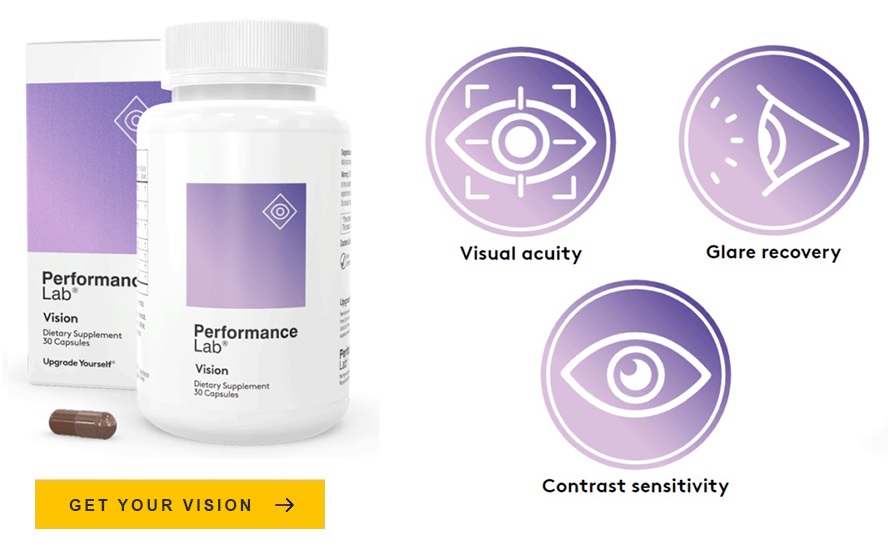
For a detailed look at how a well-formulated eye supplement addresses these nutritional priorities, the Performance Lab Vision review examines the ingredient stack and the evidence behind it. For those in midlife beginning to think proactively about visual aging, the article on protecting your eyes in your 40s covers the broader proactive strategy alongside nutrition.