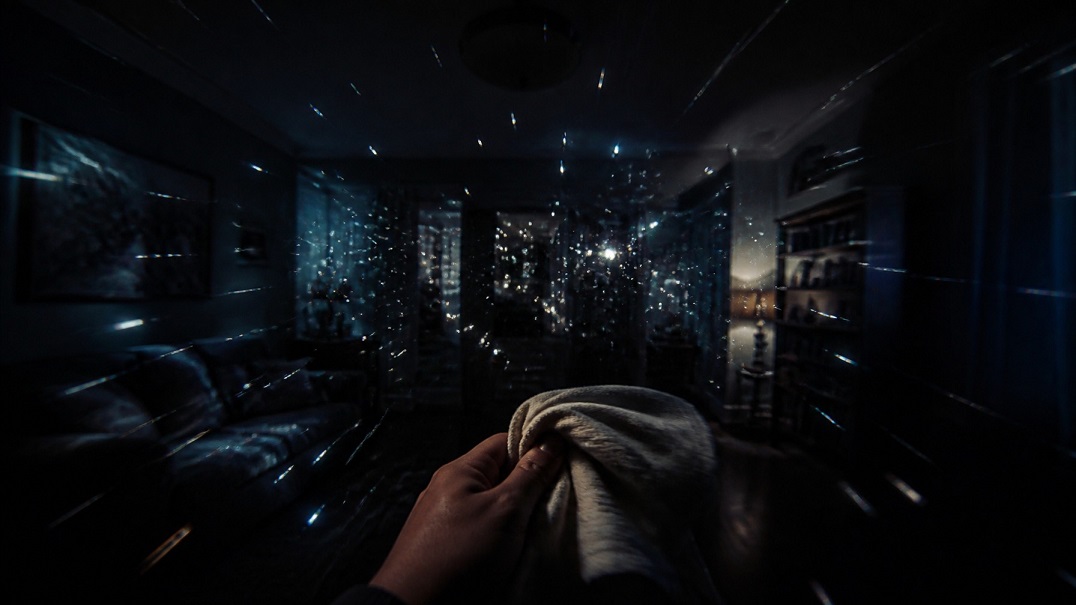
Those flashes and spots are called phosphenes, and they are usually harmless. A forceful sneeze or cough briefly raises pressure in your head and eyes, which stimulates the retina and makes it send a signal your brain reads as light. They typically last a few seconds. Persistent flashes, many new floaters, or a shadow over your vision are different and need urgent attention.
What You Are Actually Seeing
Phosphenes are visual sensations that give the impression of light without an actual light source. According to All About Vision, they may look like dots, squiggles, swirls, or flashes of bright color, which is why many people call the experience “seeing stars.”
They are a symptom of something stimulating the retina or optic nerve, not a separate disease. The same source notes that phosphenes occur when a source other than outside light stimulates the retina or optic nerve.
Why Sneezing and Coughing Trigger Them
The trigger is pressure. All About Vision lists increased eye pressure as a cause, and says it can result from eye rubbing, sneezing, blowing your nose, heavy coughing, laughing, or any kind of straining.
Think of a sneeze as a small, sudden squeeze on your head. The pressure reaches the eyes, the retina’s cells fire when they should not, and your brain interprets that signal as a spark. When the pressure falls, the sparks stop. It works much the same way as the stars you see after pressing gently on closed eyelids.
Other Everyday Triggers
Sneezing is not the only trigger. All About Vision lists eye rubbing and bright spots or starbursts after sneezing, coughing, or sudden movement among the common patterns. It also lists low blood pressure as a possible cause, which links this topic to our article on blood pressure and eye health.
Ocular migraine is another source of flashing or flickering lights, although those can last longer than a sneeze-triggered spark. If you rub your eyes often, try to ease off, since pressure from rubbing can stimulate the retina too.
Why It Usually Is Not a Problem
Brief, pressure-related phosphenes that happen only when you sneeze, cough, or strain, and fade within seconds, are generally considered harmless. The pattern is the reassuring part: a clear trigger, a quick fade, and no lasting change in vision.
If it happens often, you do not need to avoid sneezing, of course. A routine eye exam is still a good idea, and it is the best way to confirm that your retina is healthy. See our guide to eye exams as you age for how often to go.
Warning Signs That Are Different
The important distinction is between sparks triggered by pressure and flashes with no trigger. Mayo Clinic lists the warning signs of retinal detachment as the sudden appearance of dark floating shapes (floaters), flashes of light in one or both eyes, a curtainlike shadow over your field of vision, reduced vision, and loss of side vision.
Mayo Clinic calls retinal detachment an emergency that can cause lasting vision loss, and says to see a healthcare professional right away if you have any of these symptoms, according to its retinal detachment overview. It also notes that the condition is painless, so a lack of pain is not reassuring.
Floaters, Flashes, and Age
The risk rises with age. Mayo Clinic notes that retinal detachment is more common in people ages 40 to 70, and that past detachment in one eye or a family history raises the risk further.
Many floaters and flashes come from normal aging changes in the eye’s gel, which our articles on floaters after 50 and posterior vitreous detachment explain. A new burst of them still deserves a prompt exam to rule out a tear.
What to Do if You Are Not Sure
Ask yourself a few questions. Did the spots appear only during or right after a sneeze or cough? Did they fade within seconds? Is your vision otherwise normal? If the answers are yes, you are most likely seeing ordinary phosphenes.
If the answer to any of those is no, or if anything about the flashes seems new, call an eye doctor. When in doubt, a same-day or next-day call is a small price for peace of mind.
The Takeaway
Seeing stars after a big sneeze is a harmless quirk of how your retina responds to pressure. Learn the warning signs that look different, and you can ignore the sparks and take the rare serious signal seriously.