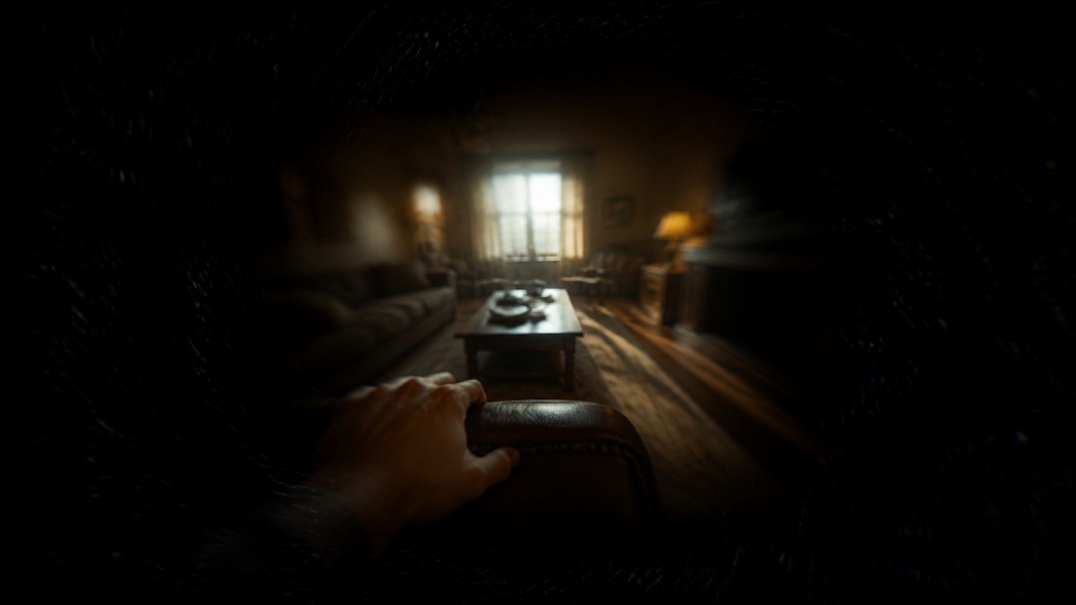
Your blood pressure dips for a moment when you stand, and your brain and eyes briefly get less blood than they need. Gravity pulls blood toward your legs, and if your body does not adjust quickly, your vision can dim, narrow, or go gray. It usually passes within seconds, but frequent or severe episodes are worth discussing with a doctor.
What Happens When You Stand Up
The explanation starts with gravity. Mayo Clinic doctors note that when you stand, gravity pulls blood into your legs and your blood pressure drops slightly. Most of the time, your body corrects this instantly by tightening blood vessels and speeding the heart a bit.
When the correction lags, less blood reaches your brain. A Mayo Clinic Q and A explains that symptoms of decreased blood flow to the brain can range from light-headedness, dizziness, and fatigue to confusion, vision changes, or fainting on standing, as described by Mayo Clinic.
Why Your Vision Is Affected
Your eyes depend on a steady supply of blood, so a brief dip can show up as visual changes first: dimming, a gray veil, or blurred or tunnel vision. Those are among the symptoms listed for orthostatic hypotension, as you will see below.
Our article on the relationship between blood pressure and eye health explains why the eyes are so sensitive to circulation changes.
Orthostatic Hypotension Explained
When this happens often, it has a name: orthostatic hypotension. Cleveland Clinic defines it as a large drop in blood pressure, more than 20 mmHg in the top number or 10 mmHg in the bottom number, within three minutes of standing after sitting or lying down. It adds that this can make you feel dizzy or faint when your body cannot adjust quickly, per its orthostatic hypotension guide.
Mayo Clinic describes a typical pattern. If you often feel light-headed, notice dimming of vision, ringing in the ears, or leg weakness when standing, and the symptoms go away once you sit down, you may have orthostatic hypotension.
Common Triggers
Several everyday things make it more likely. Standing up fast after lying down or sitting a long time is the classic trigger. Mayo Clinic also notes that some people experience low blood pressure after a large meal.
Medications are another possibility. Mayo Clinic lists drugs used to treat high blood pressure, an enlarged prostate, or depression as potential contributors. Do not stop a prescribed medicine on your own, though. Talk to your doctor if you suspect one is involved.
Dehydration, Heat, and Everyday Factors
Fluid levels matter because less blood volume makes blood pressure harder to hold steady. Hot weather and long stretches without drinking water can contribute. Our guide to hydration and your eyes covers why staying hydrated helps more than your tear film.
Alcohol can also play a role. See our article on alcohol and eye health for more.
What to Do in the Moment
If your vision starts to go dark, stop and sit or lie down. Mayo Clinic notes that in orthostatic hypotension, symptoms go away once you sit down. Sitting also removes the fall risk and gives your blood pressure time to recover.
Prevention is mostly about pacing. Change positions slowly, sit on the edge of the bed for a moment before standing, and stand in stages. The East Carolina University health library also lists standing up slowly as part of managing orthostatic hypotension.
Is It Dangerous?
A single brief episode is rarely a cause for alarm. Cleveland Clinic explains that doctors diagnose orthostatic hypotension by measuring your blood pressure as you move from sitting or lying to standing.
However, fainting can lead to falls and injuries, so do not brush off repeated episodes. See a doctor promptly if you faint, if episodes are getting more frequent, or if you also have chest pain, a racing heartbeat, or confusion. Those combinations need a proper medical evaluation.
When Dark Vision Is Not About Standing
Not every vision blackout comes from posture. If your vision goes dark in one eye only, lasts longer than a few moments, or happens while you are seated or lying down, treat it as a separate problem and get medical attention promptly. A quick, brief dimming of both eyes on standing is a different pattern from a sudden loss of sight.
For a broader checkup, see our guide to eye exams as you age.