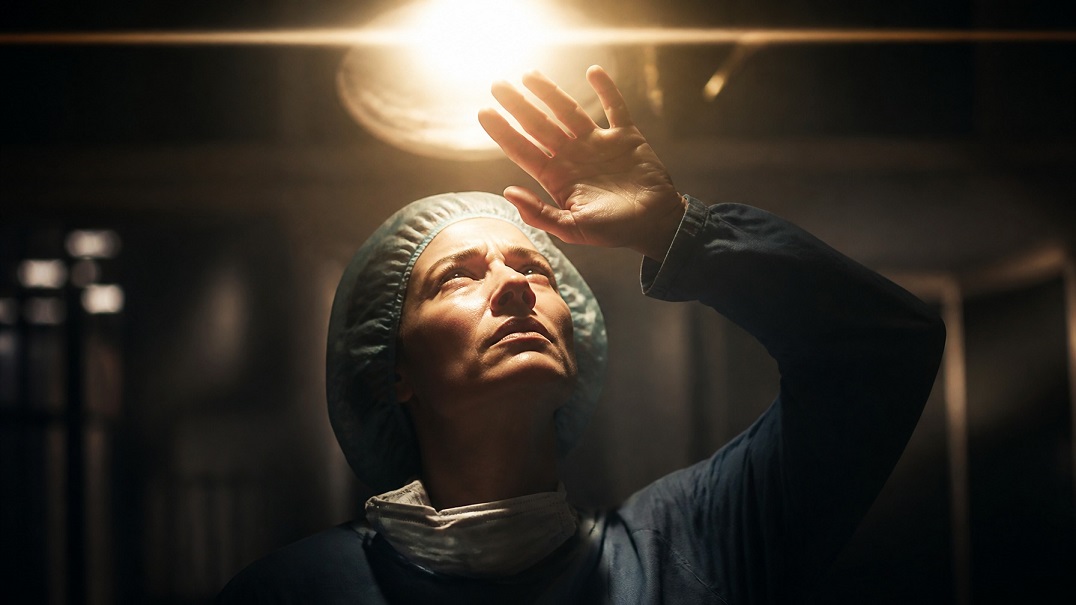
Eye pain in bright light is called photophobia, and it often points to something irritating the eye surface or the nerves that handle light and pain. Dry eye and migraine are the most common causes. Inflammation inside the eye, a scratched cornea, or an infection can also be behind it. A mild, brief sting is common, but severe or new pain deserves an exam.
What Photophobia Really Means
The name is misleading. The literal translation is “fear of light,” but Cleveland Clinic explains that in medicine it refers to your eyes’ sensitivity to light, especially bright light, which can cause discomfort and even pain. Nobody is afraid of anything. The eyes simply react more strongly than they should.
Cleveland Clinic also distinguishes two types. Direct photophobia is eye pain that happens when light shines on the eye itself, while consensual photophobia is pain in one eye when light shines on the other, per its photophobia guide.
Why Looking Up at Lights Can Feel Worse
Looking up often puts you face to face with the brightest sources in a room: overhead fixtures, fluorescent panels, or the sky. Light shining directly into the eye is similar to what Cleveland Clinic calls direct photophobia, and it can feel harsher than looking at a lit wall.
Glare also matters. Our article on glare and halos explains how scattered light adds to discomfort. An uneven eye surface may scatter light more, which could make bright sources feel harsher.
Dry Eye: The Most Common Link
According to Cleveland Clinic, dry eye is the most common eye condition associated with photophobia. When the tear film is uneven, the sensitive surface of the cornea is exposed, and bright light can sting or burn.
All About Vision notes that migraines and dry eyes are two of the most common causes of photophobia overall. If your eyes also feel gritty, burn, or water, the connection is likely. Our guide to eye strain versus dry eyes helps you tell the two apart.
Migraine and Light Sensitivity
Migraine is the other big cause. Cleveland Clinic lists migraine headaches among the conditions related to light sensitivity, and All About Vision notes that your brain and nerves are both involved in the way you process light and pain. Many people with migraines find that bright light is both a symptom and a trigger.
If bright lights come with headaches, nausea, or a throbbing sensation on one side, mention that pattern to your doctor. It may point to a migraine tendency, not an eye problem. Our article on eye strain headaches can help you sort out the source of your headaches.
Inflammation and Other Eye Conditions
Some causes are more serious. Cleveland Clinic lists uveitis, a group of diseases that cause red eyes, eye pain, and inflammation inside the eye, among the eye conditions associated with photophobia. It adds that photophobia clears up if providers can treat the underlying disorder.
Corneal scratches and infections can also make light painful. If your sensitivity comes with a very red eye, eye pain, or a change in vision, treat it as urgent. An eye doctor can look for the cause during an exam.
Everyday Factors That Add to Light Sensitivity
Long screen sessions and dry indoor air can add to dry eye, the most common link to light sensitivity. Cleveland Clinic suggests practical measures such as using dimmers on indoor lights and moisturizing eye drops if your provider agrees.
Our guides to the best lighting conditions for computer work and indoor air quality and tear film stability cover easy changes to your space.
Simple Ways to Get Relief
Start with the basics. Soften harsh overhead lighting, dim lights where you can, and wear quality sunglasses outdoors. Artificial tears may help if dry eye is the issue, and a warm compress can ease irritated lids.
Squinting is a natural response, but it is not a cure. All About Vision advises talking to your doctor if you have light sensitivity along with a headache, eye redness, or other symptoms.
When to See a Doctor
Seek care promptly if light sensitivity is new, severe, or comes with eye pain, a very red eye, or sudden changes in vision. Sudden, severe sensitivity with a bad headache can signal a serious problem and needs prompt medical care.
Light sensitivity is a symptom, not a diagnosis, so the real answer depends on the cause. Our guide to eye exams as you age explains what a thorough exam should cover.