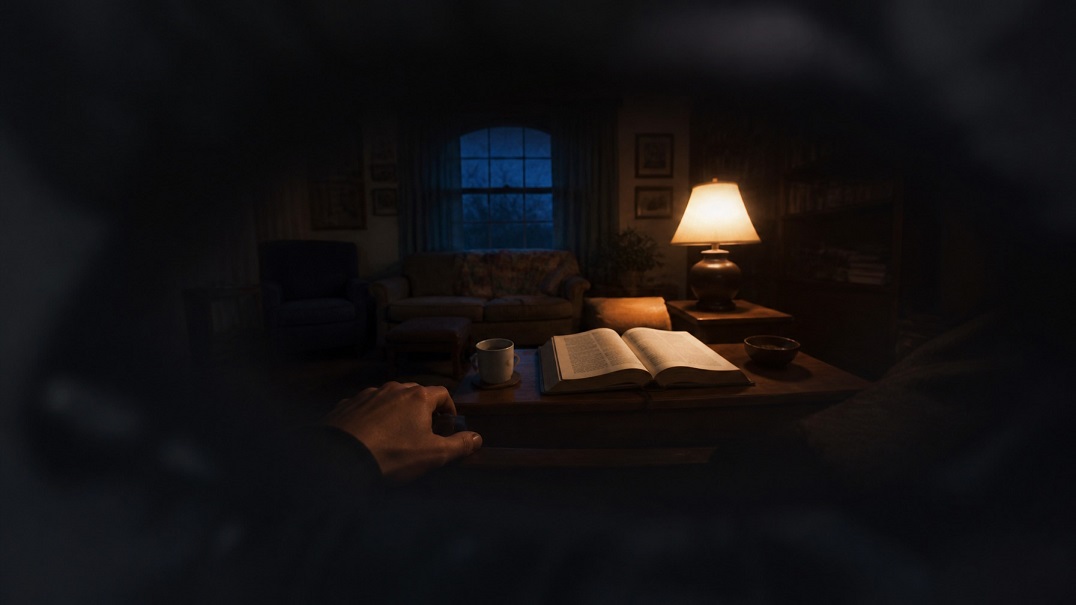
Yes, and many people do. The most common type, open-angle glaucoma, usually has no early symptoms, and the National Eye Institute says half of people with glaucoma do not know they have it. It slowly steals side vision, and treatment cannot undo lost sight. A comprehensive dilated eye exam can catch it early, when treatment works best.
Why Glaucoma Is So Quiet
The National Eye Institute says glaucoma does not usually cause symptoms at first, which is why half of people with it do not know. Over time you may slowly lose vision, usually starting with side vision, especially the part closest to your nose. Because it happens so slowly, many people cannot tell their vision is changing. NEI adds that glaucoma can affect one eye or both.
One reason is that the brain fills in missing parts of the picture, an AARP article explains. An expert quoted there says many people do not notice vision loss until they have lost more than half of it. We cover a related effect in why you do not notice your own blind spot.
What Glaucoma Does
Glaucoma is a group of eye diseases that damage the optic nerve, which carries visual signals to the brain. NEI says scientists are not sure what causes the most common types, but many people with glaucoma have high eye pressure, and treatments that lower pressure slow the disease.
It adds that some people with high pressure never get glaucoma, and one type happens with normal pressure. Normal pressure also varies from person to person. See our post on why eye pressure fluctuates through the day.
Who Is at Higher Risk
NEI says you are at higher risk if you are over 60, especially if you are Hispanic or Latino, are African American and over 40, or have a family history of glaucoma.
The CDC adds that Black people are 6 to 8 times more likely to get glaucoma than White people, and that people with diabetes are about twice as likely as people without it. It also says open-angle glaucoma has no symptoms and runs in families. See family history and eye disease.
The Type That Is Not Silent
Angle-closure glaucoma, a less common type, can cause sudden symptoms: intense eye pain, nausea, a red eye, and blurry vision. NEI says that if you have any of these, go to your doctor or an emergency room now.
To compare it with other conditions, read glaucoma vs. cataracts vs. AMD.
How Doctors Find It
NEI says eye doctors check for glaucoma as part of a comprehensive dilated eye exam. The exam is simple and painless. Drops widen your pupil so the doctor can look at your eyes, and a visual field test checks your side vision.
Because glaucoma can occur with normal eye pressure, a thorough exam matters more than a quick pressure check. The AARP article notes that some people are told they do not have glaucoma but are glaucoma suspects, meaning their optic nerve or eye pressure looks worrisome enough to follow closely.
Why Early Treatment Matters
There is no cure, but NEI says early treatment can often stop the damage and protect your vision. Treatment will not undo damage that has already happened. Options include prescription eye drops, which are the most common, laser treatment, and surgery.
If your doctor prescribes medicine, take it every day and report side effects, NEI advises. Never stop a prescribed glaucoma medicine without talking to your doctor. If vision loss is already affecting daily tasks, NEI suggests asking about vision rehabilitation services or devices.
How Often to Get Checked
NEI says people at higher risk need a comprehensive dilated eye exam every 1 to 2 years. It also recommends talking with your doctor about your own risk and how often you need checkups, and encouraging family members to get checked because glaucoma can run in families.
For a schedule by age, see eye exams as you age.
What You Can and Cannot Control
NEI says there is no way to prevent glaucoma, which is why exams are so important. The CDC adds that healthy habits can help you avoid vision loss from glaucoma. Our overviews of nutritional factors in glaucoma and blood pressure and eye health explain what research does and does not show.
NEI stresses that while some vision changes are a normal part of aging, vision loss from eye diseases such as glaucoma can be prevented, which is why early treatment matters. Do not wait for symptoms. If you are over 60, are African American and over 40, or have a family history, book an exam now.